
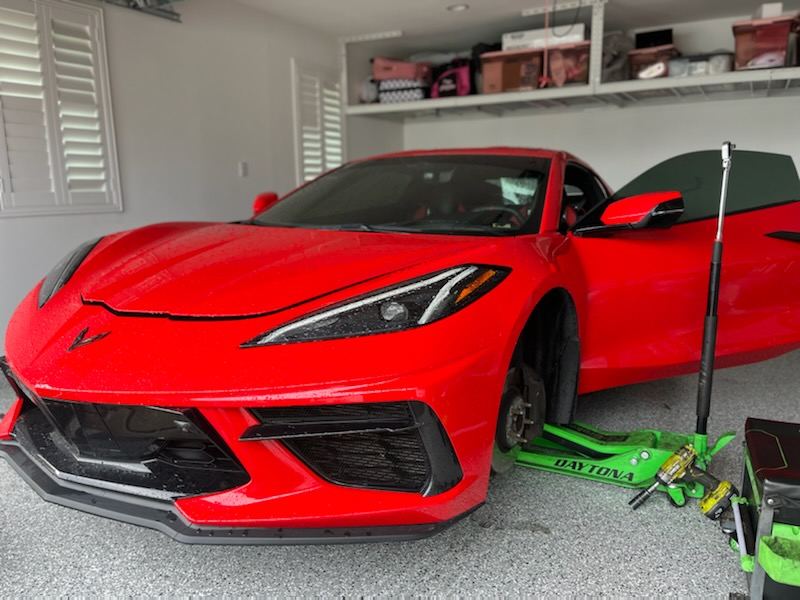
Brake rotor resurfacing removes a thin layer of metal to create a smoother braking surface. It can make sense when a rotor has only minor surface wear and still has enough thickness left, but thin, cracked, deeply scored, warped, or heat-damaged rotors should be replaced. EZ-Brakes does not resurface rotors; we install new OEM-grade rotors when replacement is needed.
Brake rotors are a critical part of your vehicle’s braking system. Resurfacing can restore a smooth surface when the rotor still has enough material left, but machining is not always the safest or most economical choice. The decision depends on rotor thickness, heat damage, surface condition, and how much service life remains.
This guide explains what brake rotor resurfacing is, the signs that may point to rotor problems, how machining works, and when replacing the rotor is the better long-term option.
What Is Brake Rotor Resurfacing?
Brake rotor resurfacing is a machining process that removes a small amount of material from the rotor faces to correct minor grooves, scoring, or uneven surfaces. A brake lathe cuts the rotor until the braking surfaces are smooth and parallel again.
The rotor must remain above the vehicle manufacturer’s minimum thickness specification after machining. If there is not enough material left, resurfacing is not appropriate and the rotor should be replaced.
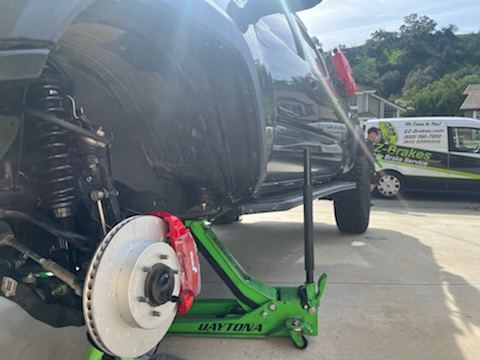
Signs That Indicate Your Brake Rotors Need Attention
Before deciding between resurfacing and replacement, look for symptoms that suggest the rotor surface may be worn or uneven:
- Vibrations while braking: Rotor thickness variation or an uneven surface can produce vibration in the brake pedal or steering wheel.
- Noisy brakes: Squealing or grinding can point to worn pads, damaged rotors, or both.
- Reduced braking efficiency: A damaged friction surface can affect stopping performance.
- Visible grooves or scoring: Deep grooves, scoring, heat spots, or discoloration are signs the rotor should be inspected.
If you notice any of these symptoms, a brake inspection is more useful than guessing based on noise alone.
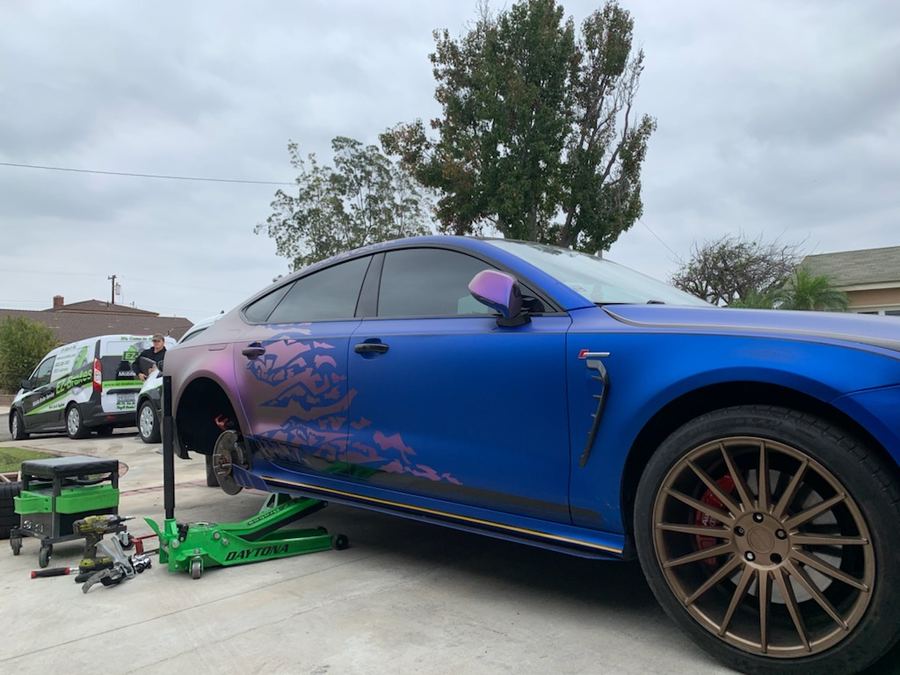
Brake Rotor Resurfacing Process
The Machining Process
Resurfacing requires a brake lathe. The rotor is measured first, then the machine removes a thin, controlled layer from the rotor faces to create a flat, smooth surface. The finished rotor must still meet the manufacturer’s minimum thickness specification.
New brake pads need a healthy rotor surface to bed in correctly. Installing new pads against a badly scored, warped, or heat-damaged rotor can lead to uneven wear, vibration, and reduced braking quality.
Brake Rotor Resurfacing Cost
Resurfacing cost varies by vehicle, local labor rates, rotor condition, and whether the rotor can be machined safely. The lower upfront price can be attractive, but it only makes sense when the rotor still has enough usable material and service life remaining.
When to Opt for Brake Rotor Replacement
There are several situations where replacement is the safer and more practical choice:
- Too thin for machining: A rotor at or near its minimum thickness cannot safely lose more material.
- Severe damage: Cracks, extreme scoring, heavy heat damage, or serious warping are reasons to replace the rotor.
- Repeated machining: Every resurfacing removes material. A rotor that has already been machined may have limited remaining life.
- Heat capacity: Thinner rotors have less metal available to absorb and dissipate braking heat.
Where to Get Brake Rotors Resurfaced
Some traditional repair shops and machine shops still offer brake rotor resurfacing when the rotor remains within specification. The shop should measure the rotor before and after machining and confirm that it remains above the manufacturer’s discard thickness.
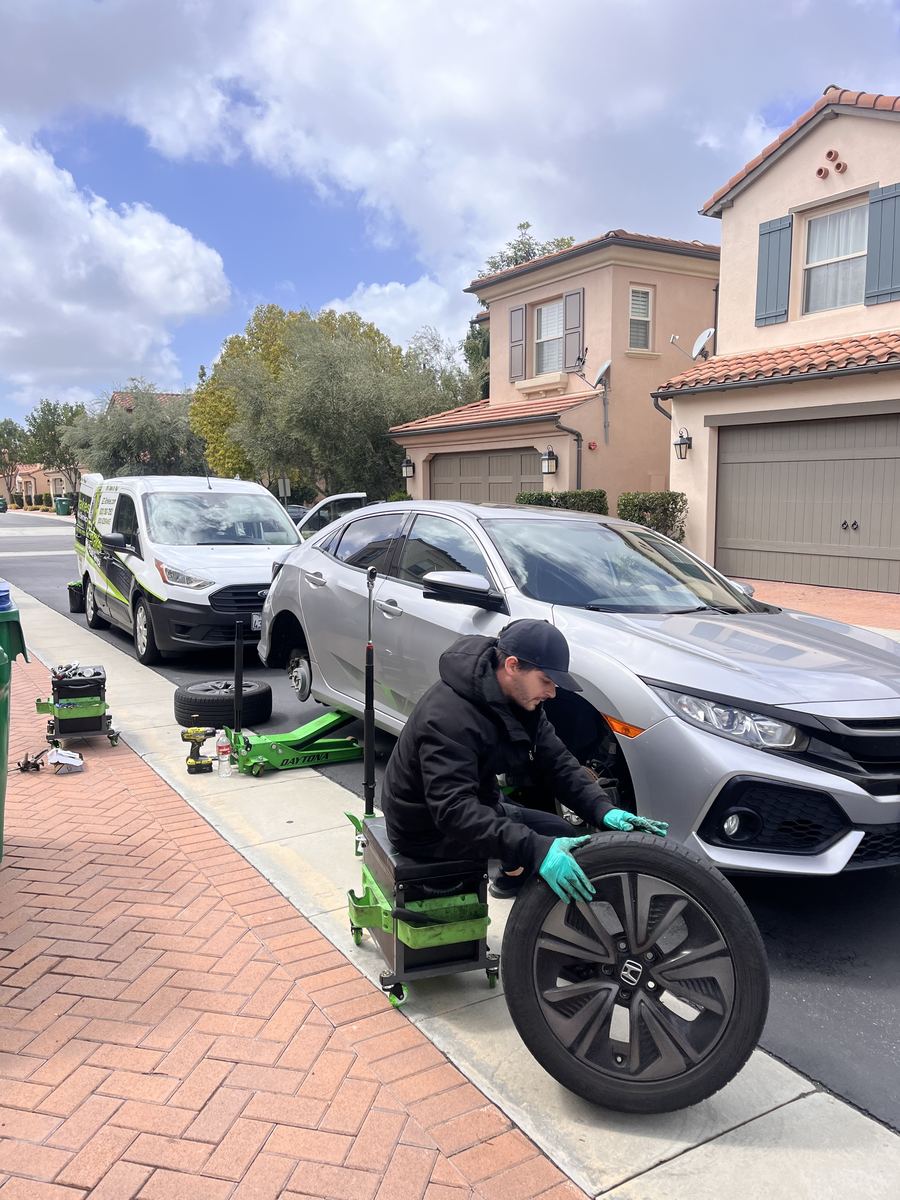
EZ-Brakes does not resurface brake rotors. Our current approach is to replace worn, warped, heat-damaged, or deeply scored rotors with new OEM-grade rotors so you start with full material thickness and a fresh braking surface.
Pulsing pedal, steering wheel shake, grinding, or visible rotor damage? Get a free quote for your exact vehicle.
Get My Free Quote →Brake Rotor Resurfacing vs. Replacement: Which Is the Right Choice?
When Brake Rotor Resurfacing Can Make Sense
- Minor surface damage: Light grooves or unevenness may be correctable if the rotor has sufficient thickness.
- Rotor remains within specification: There must be enough material left after machining.
- No severe heat damage or cracking: Structural or major heat damage is not something resurfacing can fix.
When You Should Replace Your Brake Rotors
- Excessive damage: Cracks, major warping, heavy scoring, or significant heat discoloration favor replacement.
- Inadequate thickness: A rotor below its minimum specification must be replaced.
- Long-term service life: New rotors start with full thickness and generally provide more remaining material for future wear and heat management.
| Factor | Brake Rotor Resurfacing | Brake Rotor Replacement |
|---|---|---|
| When to Choose | Minor surface wear when rotor thickness remains safely within specification | Excessive wear, cracks, heat damage, warping, deep scoring, or insufficient thickness |
| Rotor Thickness | Material is removed, so thickness must be checked carefully | Starts with full new-rotor thickness |
| Service Life | Extends use of the existing rotor, but with less remaining material | Provides a fresh friction surface and more remaining material |
| Braking Surface | Machined smooth if the rotor is serviceable | New, unused friction surface |
| Impact on New Pads | Can provide a clean mating surface if machining is done correctly | Provides a fresh surface for even pad bedding and wear |
Why EZ-Brakes Replaces Worn Rotors Instead of Resurfacing Them
EZ-Brakes focuses on mobile brake service and installs new OEM-grade rotors rather than machining existing rotors. Resurfacing removes material from a part that is already wearing thinner, which reduces the amount of metal available to manage future heat and wear.
When rotor replacement is needed, our mobile technicians can inspect the pads, rotors, and calipers at your home or office, install the correct new rotors, torque everything to specification, and test the braking system before the job is complete.
Conclusion
Brake rotor resurfacing can be appropriate when wear is minor and the rotor still has enough material to remain safely above its minimum thickness after machining. But once a rotor is too thin, cracked, heavily scored, warped, or heat-damaged, replacement is the better choice.
If you are unsure whether your rotor symptoms point to worn pads, damaged rotors, or another brake problem, EZ-Brakes can inspect the system and provide a free, no-obligation quote for the repair your vehicle actually needs.