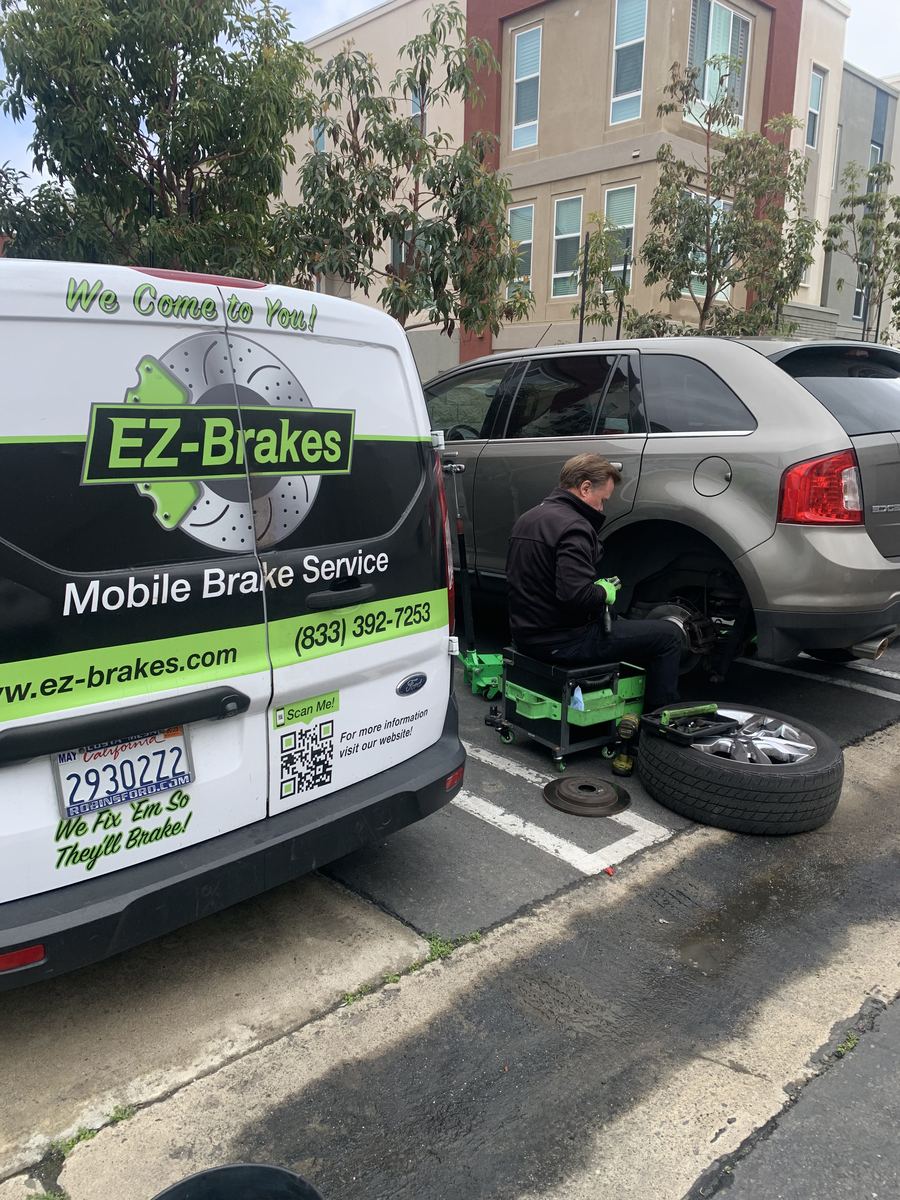
Mobile Brake Service and Inspections: Keeping Your Drive Safe
Vehicle safety plays a central role in everyday driving, and few systems are as critical as your brakes. Whether navigating busy highways or quiet neighborhood streets, a properly functioning braking system directly affects your ability to react, stop, and avoid hazards. Routine inspections help identify wear and performance issues early, reducing the risk of unexpected failures that could compromise safety. Drivers who stay proactive about brake care often experience smoother handling, shorter stopping distances, and fewer costly repairs over time.
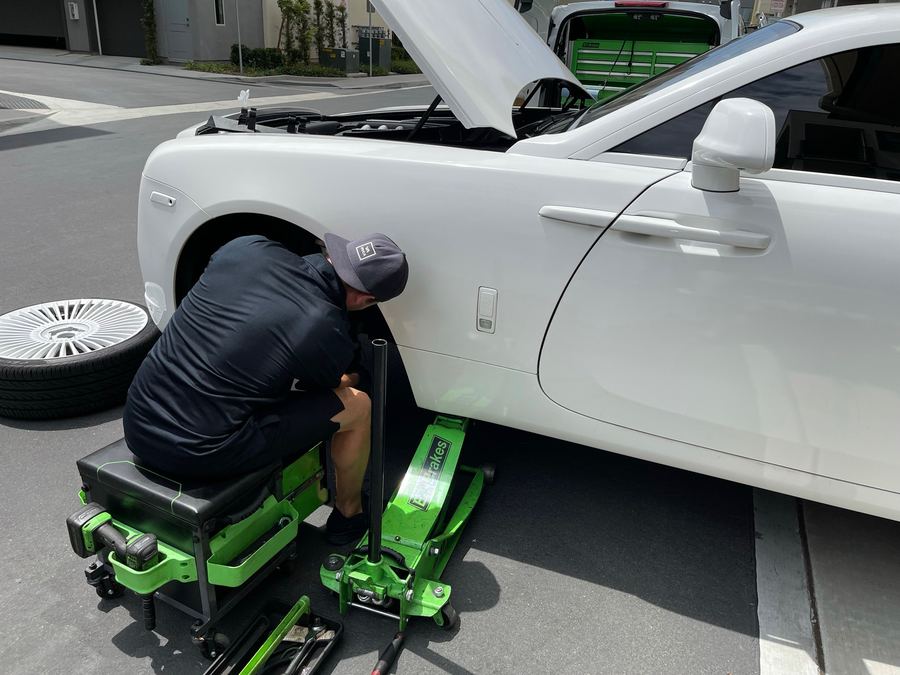
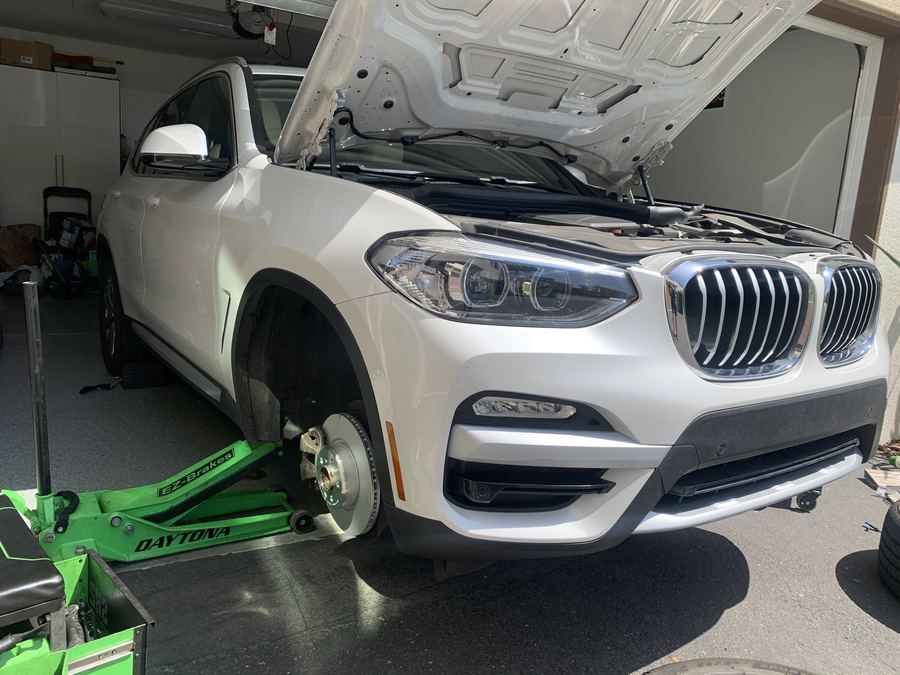
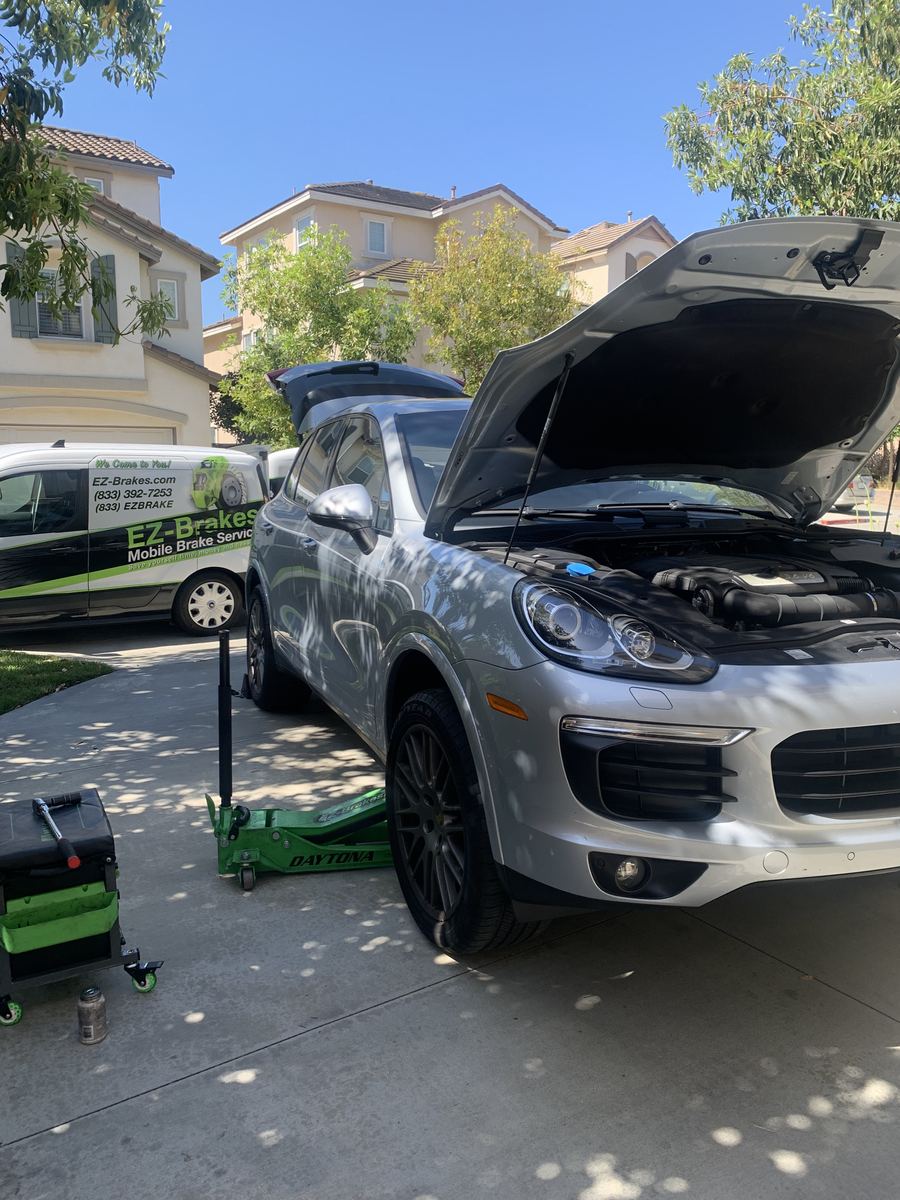
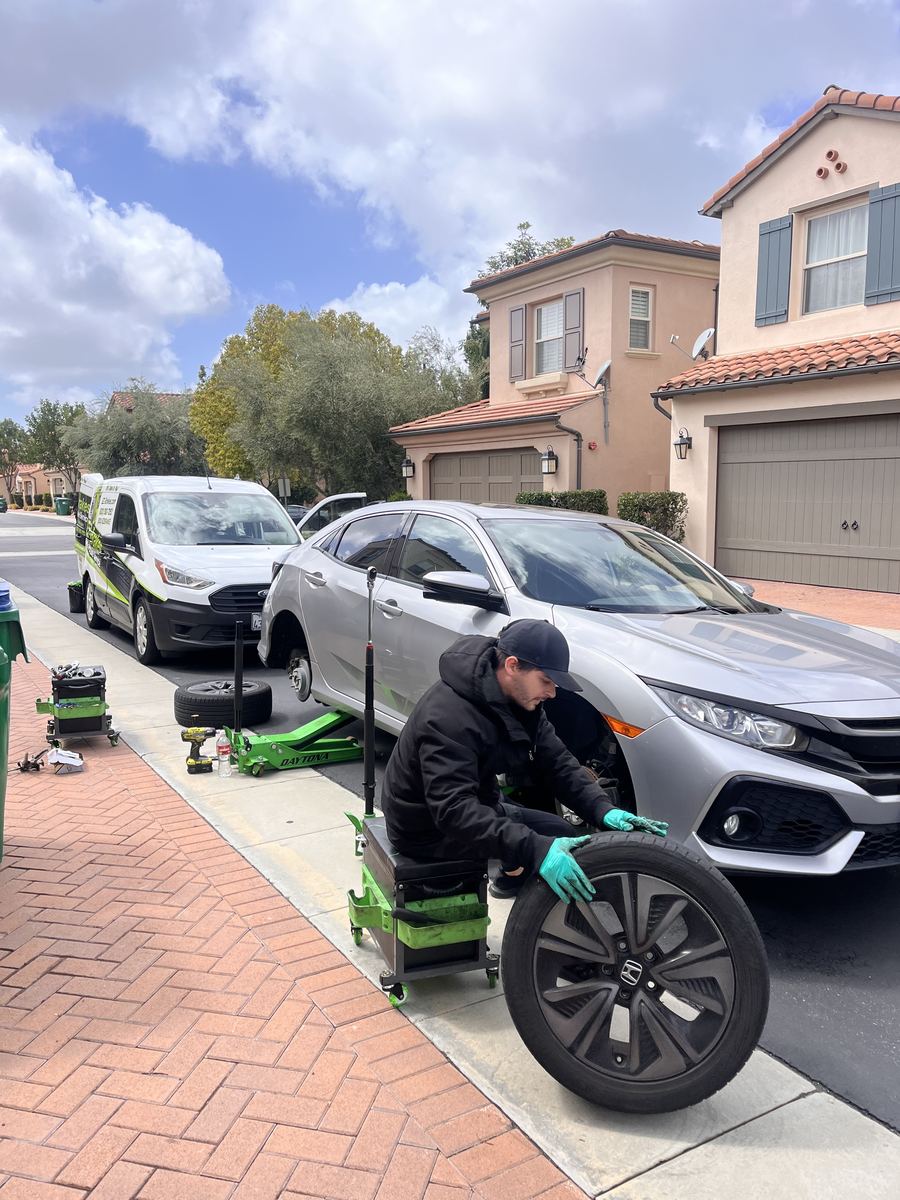
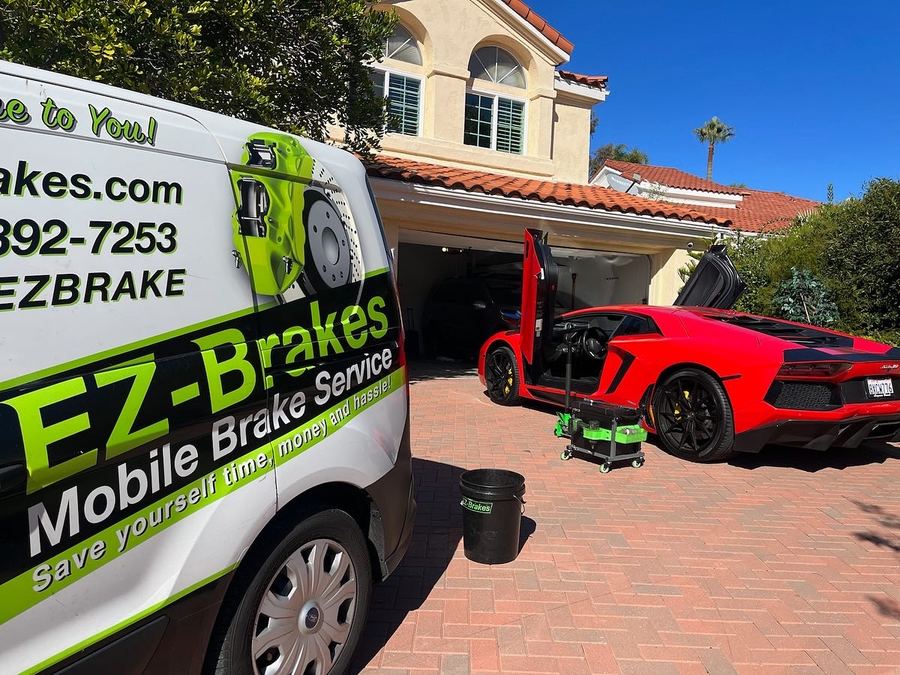
Convenience has also become an important part of vehicle maintenance, which is why mobile brake service has gained popularity among drivers looking for efficient solutions. Instead of rearranging schedules to visit a repair shop, technicians can perform inspections and repairs at your home or workplace. This approach makes it easier to stay consistent with maintenance, ultimately supporting safer driving habits. By understanding how inspections work and why they matter, you can make informed decisions that protect both your vehicle and everyone on the road.
Recognizing the Importance of Routine Brake Care
A vehicle’s brake system is made up of several interconnected parts that must work together seamlessly. Brake pads create friction against rotors to slow the vehicle, while calipers apply pressure that enables this process. Brake fluid transfers force from the pedal to the braking components, making the entire system responsive. When even one of these parts begins to wear down, the overall performance can decline, leading to longer stopping distances and reduced control. Staying familiar with these components helps drivers understand why inspections are necessary.
Ignoring brake maintenance can lead to serious consequences that go beyond simple wear and tear. Reduced braking efficiency increases the likelihood of collisions, especially in high-traffic situations or during sudden stops. Additionally, small issues like worn pads can escalate into major problems, such as damaged rotors or failing calipers, which are more expensive to repair. According to USA Today, you should have your brakes inspected at least once per year. Following this guidance helps catch problems early and keeps your vehicle operating more safely over time.
Routine inspections also provide long-term benefits that extend beyond immediate safety concerns. Identifying minor issues early allows for quicker, more affordable fixes, preventing larger mechanical failures. Regular maintenance supports consistent performance and helps maintain the overall condition of your vehicle. When inspections are paired with mobile brake service, it becomes even easier to stay on schedule, making preventative care a more practical part of everyday life.
Understanding the Brake Inspection Process
Preparing for a brake inspection begins with basic safety steps that create a stable working environment. Parking on a flat surface, engaging the parking brake, and using wheel chocks help prevent movement during the inspection. Adequate lighting allows for a clear view of components, making it easier to identify wear or damage. These simple preparations contribute to a more accurate and efficient inspection process, whether performed at home or through mobile brake service.
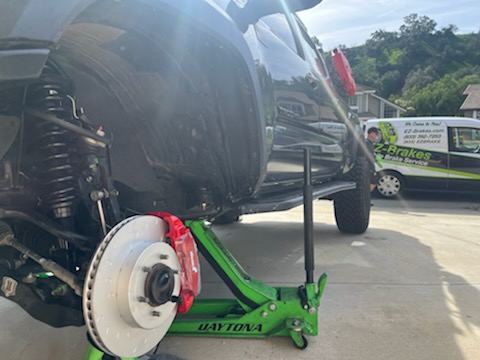
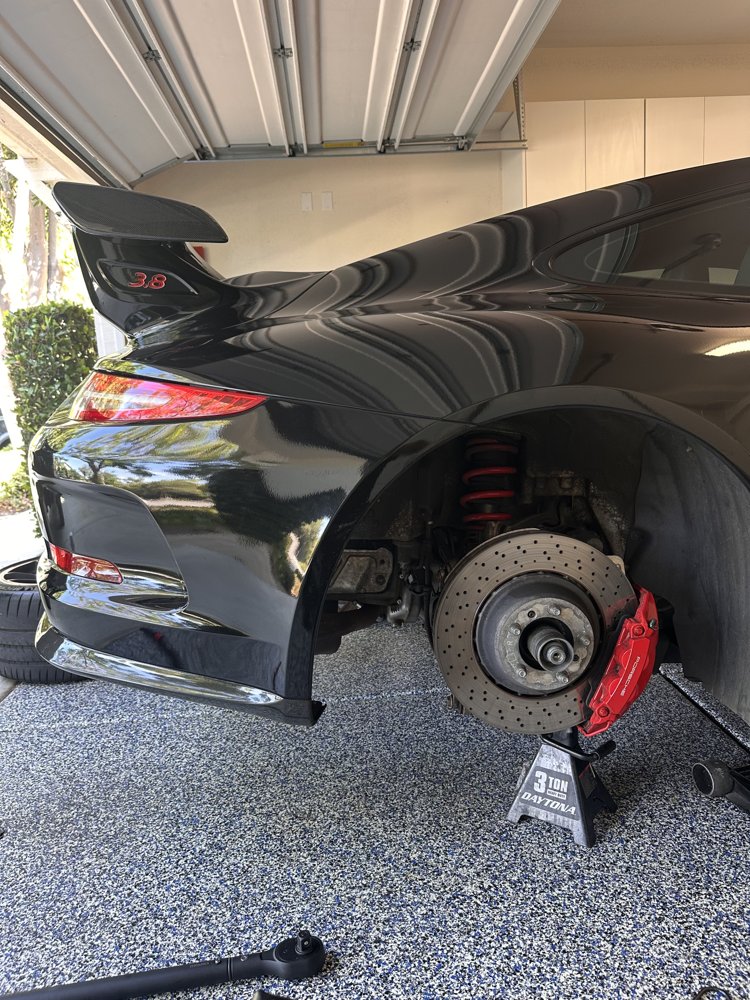
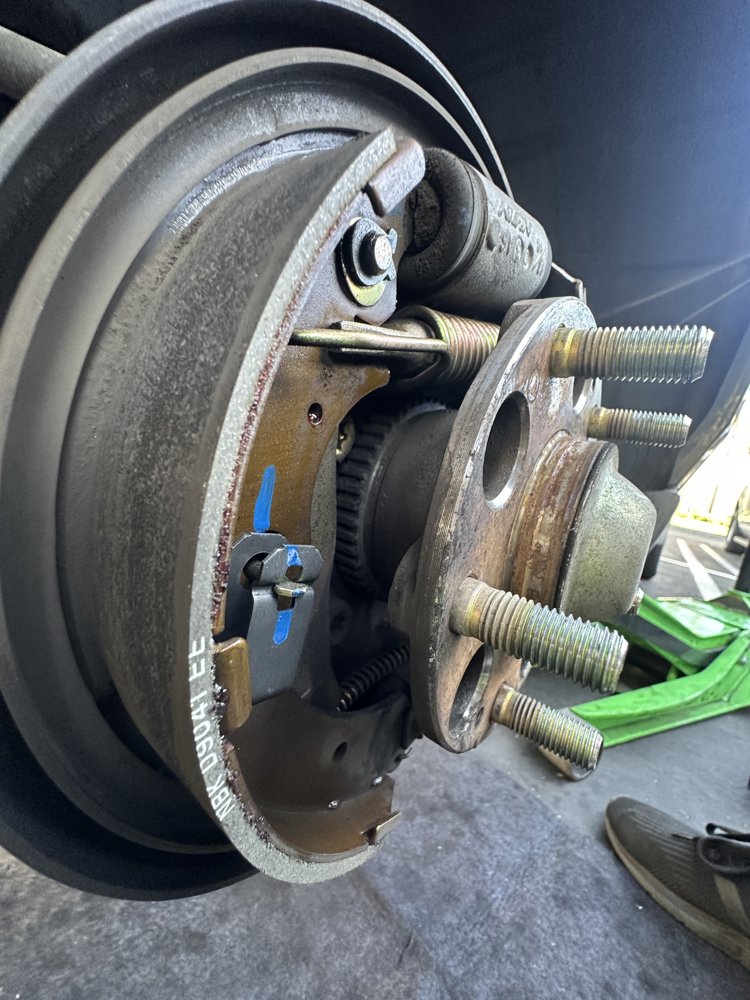
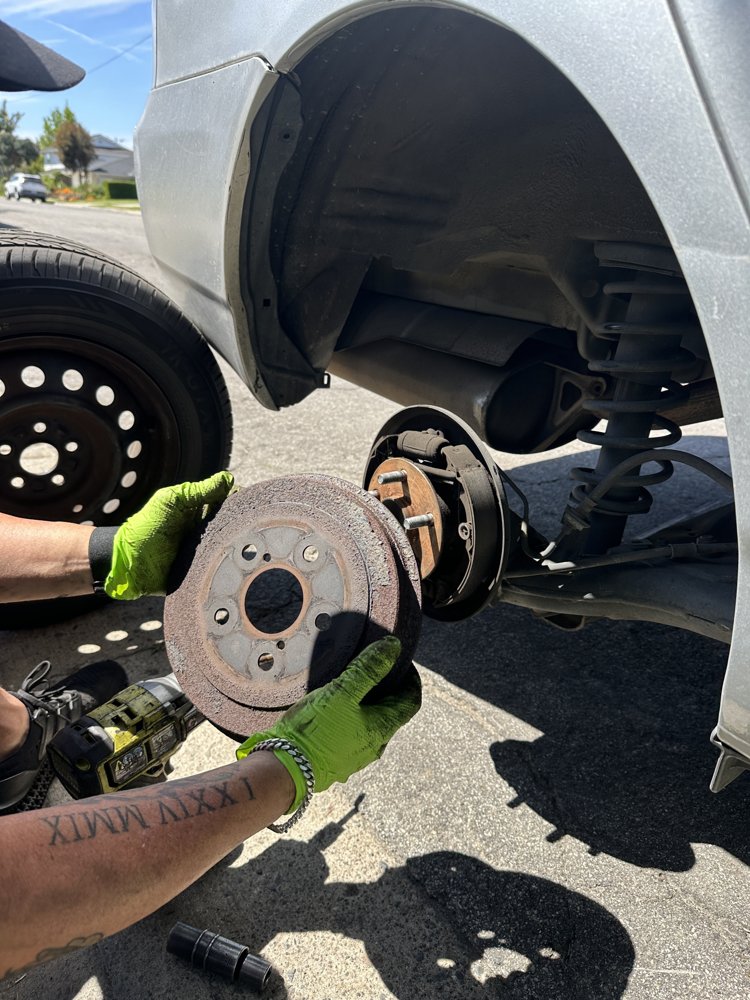
One of the most important parts of the inspection involves checking brake pads and rotors. Pads are evaluated for thickness and even wear, while rotors are examined for grooves, warping, or discoloration caused by heat. If pads are too thin or rotors show signs of damage, replacements may be necessary to maintain proper braking performance. Catching these issues early prevents further damage to surrounding components and helps preserve stopping power.
Inspectors also examine brake fluid, lines, and hoses to confirm the system is functioning correctly. Fluid levels should remain within recommended ranges, and the fluid itself should appear clean rather than dark or contaminated. Lines and hoses are checked for leaks, cracks, or stiffness that could interfere with hydraulic pressure. Together, these steps provide a comprehensive view of the brake system’s condition and highlight any areas that need attention.
Identifying Common Brake Issues Early
Brake problems often begin with subtle warning signs that can easily be overlooked. Squeaking noises may indicate worn brake pads, while grinding sounds often suggest more severe wear that could damage rotors. These noises should never be ignored, as they provide early clues that maintenance is needed. Addressing them promptly helps avoid more extensive repairs and keeps the braking system functioning properly.
Another common issue is a soft or spongy brake pedal, which can signal air in the brake lines or a fluid leak. This condition reduces the effectiveness of braking and can make the vehicle feel less responsive. On the other hand, a hard brake pedal may indicate problems with the brake booster or vacuum system, requiring additional force to stop the vehicle. Both scenarios highlight the importance of regular inspections to maintain consistent pedal feel and performance.
Vibrations during braking and reduced stopping power are also indicators of underlying problems. Warped rotors or uneven wear can cause shaking when the brakes are applied, while worn components may lead to longer stopping distances. By recognizing these signs early and scheduling a mobile brake service, drivers can address issues before they escalate into more serious safety concerns.
Using Proper Tools and Professional Support
Brake inspections require a combination of basic tools and specialized equipment to achieve accurate results. Measuring tools help determine whether parts meet minimum thickness requirements, providing a clearer picture of their condition. Having the right equipment makes inspections more thorough and reliable.
Advanced diagnostic tools can take inspections a step further by identifying issues that are not immediately visible. Pressure testers, for example, can reveal problems within the hydraulic system, while precision measuring devices confirm whether rotors and pads meet safety standards. These tools add another layer of accuracy, helping technicians make informed decisions about repairs or replacements.
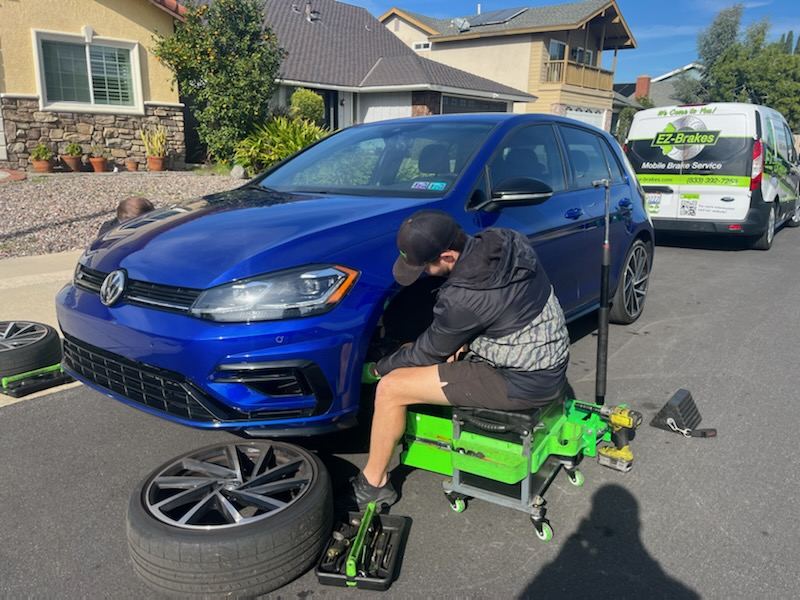
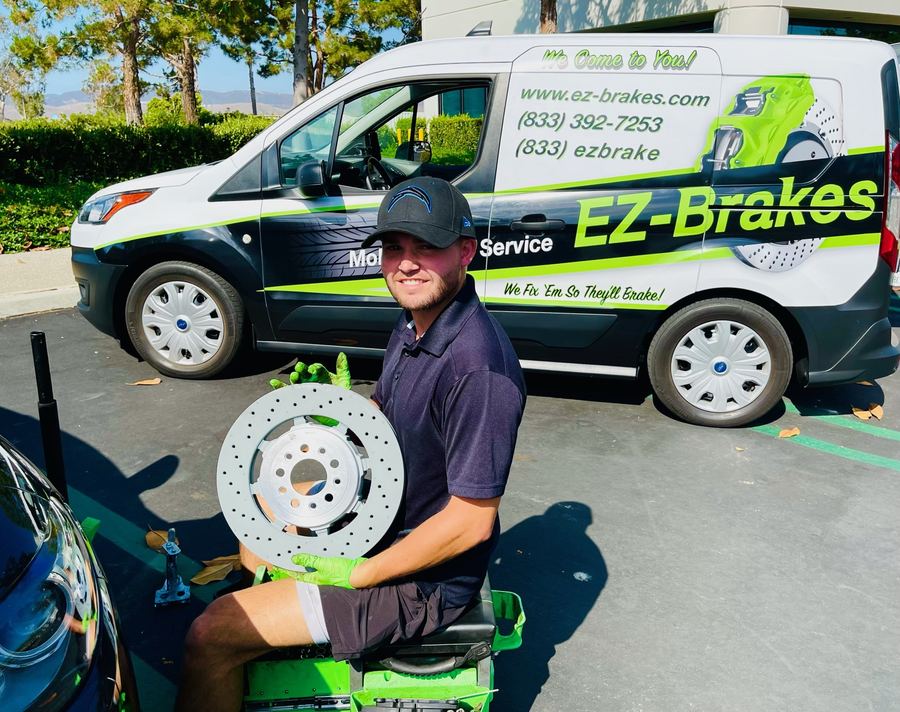
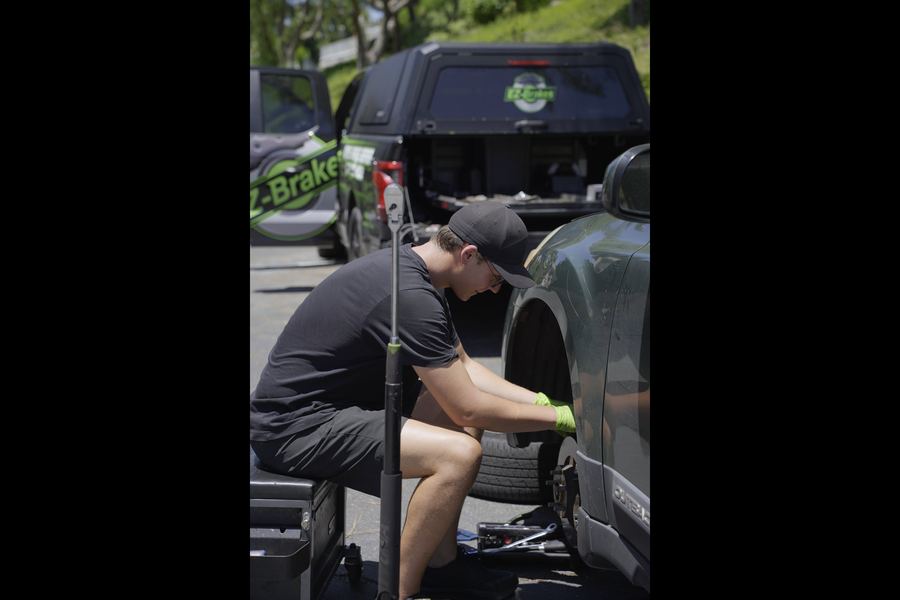
For many drivers, professional assistance offers added convenience and peace of mind. Mobile brake service combines technical knowledge with on-site convenience, allowing trained technicians to perform detailed inspections without requiring a trip to a repair shop. This approach not only saves time but also encourages more consistent maintenance, which plays a key role in keeping vehicles safe and reliable.
Adapting to Advancements in Brake Technology
Modern vehicles are equipped with advanced braking technologies that enhance safety and performance. Anti-lock braking systems prevent wheel lockup during sudden stops, while electronic brake distribution balances braking force across all wheels. These systems improve control and stability, particularly in challenging driving conditions such as wet or slippery roads.
Sensors and onboard diagnostics have also transformed how brake systems are monitored. These technologies provide real-time feedback, alerting drivers to potential issues like low fluid levels or uneven wear. Early warnings make it easier to address problems before they affect performance, reducing the risk of unexpected failures. As a result, inspections have become more precise and informative.
Brake inspections are an essential part of maintaining vehicle safety, performance, and reliability. From understanding system components to recognizing early warning signs, consistent attention to brake care helps prevent accidents and reduces long-term repair costs. Advances in technology and the availability of
mobile brake service have made it easier than ever to stay on top of maintenance, allowing drivers to address issues quickly and efficiently without disrupting their daily routines.
Taking a proactive approach to maintenance benefits both your vehicle and your peace of mind. Regular inspections, combined with convenient service options, create a strong foundation for safer driving. Schedule your next mobile brake service today with EZ-Brakes: Mobile Brake Service and make brake maintenance a priority that keeps you confidently in control every time you hit the road.