
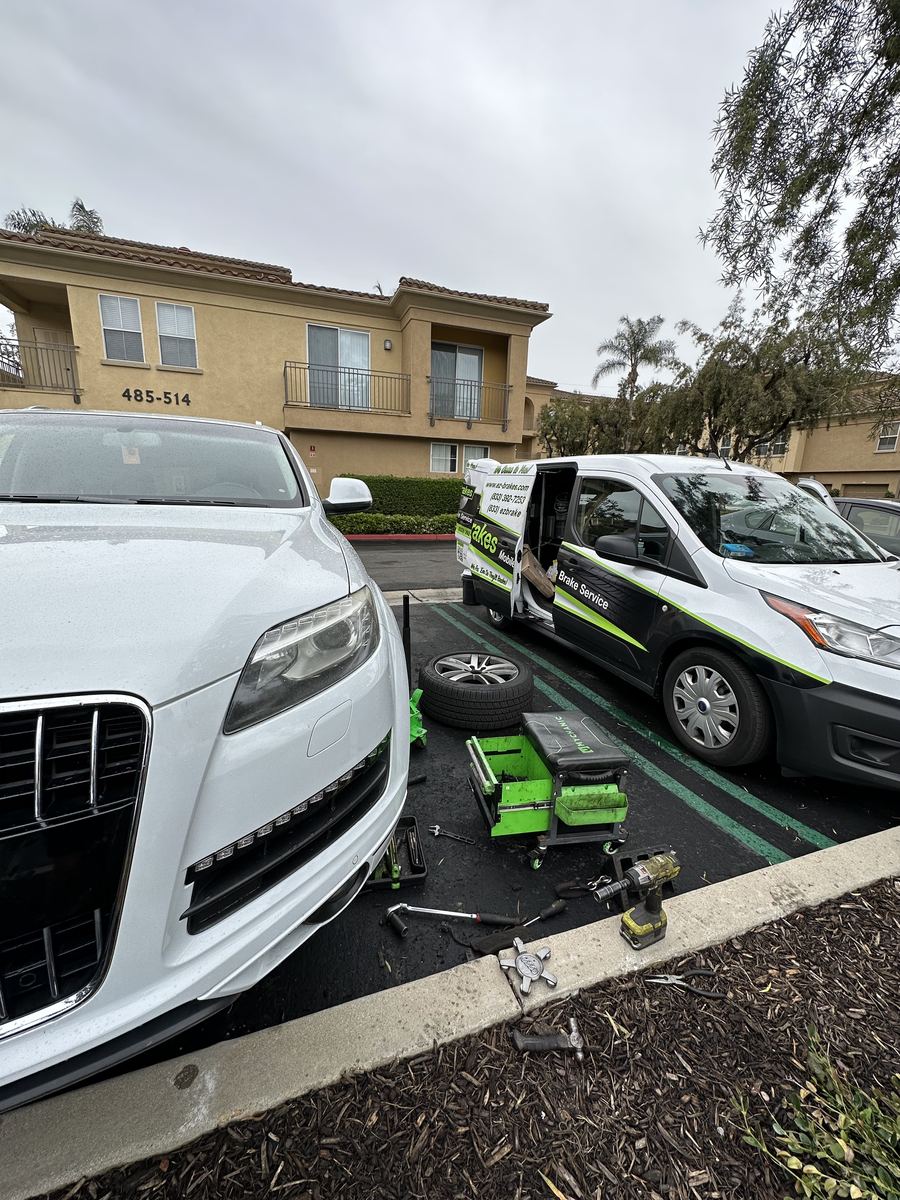
An electric parking brake problem can come from low battery voltage, wiring or connector faults, a failed actuator, sensor errors, software issues, or a mechanical problem at the rear brakes. Start with warning lights and a visual inspection, then use a scan tool for stored fault codes before replacing parts.
Modern vehicles increasingly use electric parking brakes instead of a traditional handbrake lever. The system is convenient and integrates with other safety features, but it also adds motors, wiring, sensors, and software that can fail.
Drivers of vehicles such as the Honda Civic and Acura MDX may see an EPB warning, experience a brake that will not engage, or find that the parking brake refuses to release. Understanding the likely causes is the first step toward a proper diagnosis.
What Is an Electric Parking Brake?
An electric parking brake (EPB) replaces the manual handbrake with a button or switch. When you activate it, the vehicle commands an electric actuator to apply the rear brakes. Some systems also integrate with automatic brake hold, hill-start assist, and stability-control functions.
- Push-button engagement
- Automatic brake hold
- Integration with hill-start and stability systems
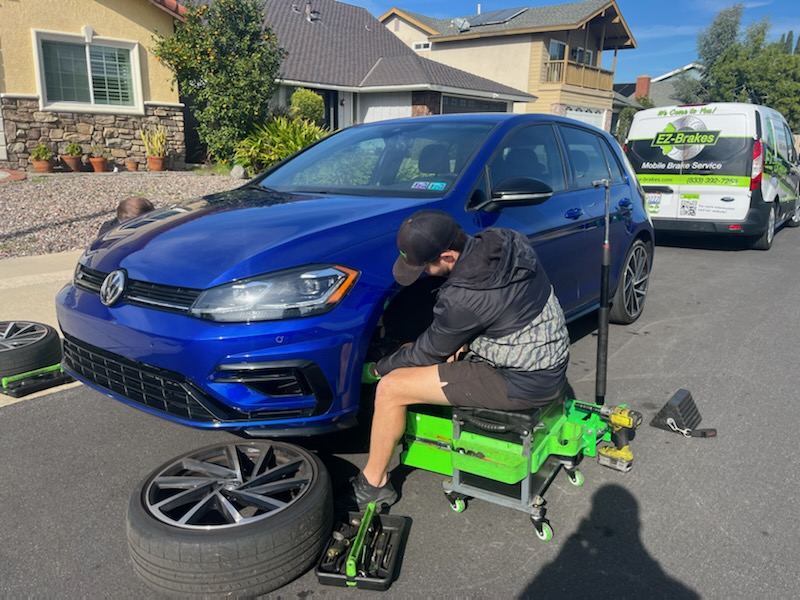
Common Electric Parking Brake Problems
EPB systems combine electrical components, mechanical actuators, and sensor-driven logic. Problems can therefore come from more than one area at the same time.
Electric Parking Brake Problem Honda Civic
Honda Civic owners may encounter an EPB warning light, inconsistent engagement, or a parking brake that does not release correctly.
Possible causes include:
- Moisture infiltration: Water or condensation in connectors or actuator components can interfere with electrical signals.
- Weak battery voltage: Low or unstable system voltage can trigger EPB faults or warning messages.
- Actuator motor strain: A worn, contaminated, or jammed actuator can fail to apply or release the brake.
- Corroded terminals: Corrosion can interrupt the electrical connection needed for normal EPB operation.
Electric Parking Brake Problem Acura MDX
On an Acura MDX, the parking brake is tied into several vehicle control systems. A fault in a related sensor or control module can sometimes trigger an EPB warning even when the mechanical brake itself is not the original source of the problem.
Common symptoms include:
- Persistent EPB warning messages
- Parking brake failing to release after a battery issue or service
- Faults involving related wheel-speed or stability-system data
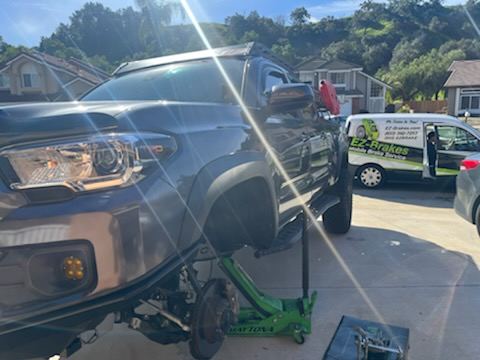
Root Causes of Electric Parking Brake Malfunctions
1. Electrical Failures
The EPB depends on a stable electrical circuit. If wiring, fuses, connectors, or battery voltage are compromised, the brake may fail to engage, remain stuck, or trigger a warning.
- Corroded connectors: Moisture and contamination can increase resistance or break the signal path.
- Damaged wiring: Chafed, pinched, or broken wires can create intermittent faults or complete signal loss.
- Blown fuses or faulty relays: A failed protective component can disable the EPB circuit.
- Low battery voltage: Modern brake-control modules can be sensitive to unstable voltage.
2. Sensor and Software Bugs
The electric parking brake is part of a broader network that can include ABS, traction control, stability control, and body-control systems. Incorrect sensor data or software faults can therefore affect EPB operation.
- Position-sensor problems: Incorrect actuator-position data can prevent normal engagement or release.
- Control-module faults: A software or communication issue can produce warning lights or delayed operation.
- Calibration problems: Some vehicles require electronic service-mode procedures or recalibration after rear brake work.
3. Mechanical Damage
EPB systems still rely on conventional brake hardware. A mechanical fault can sometimes look like an electrical problem.
- Actuator motor failure: A worn or contaminated actuator may not move correctly.
- Seized brake calipers: Rust, damaged seals, or lack of movement can prevent the brake from releasing.
- Worn or contaminated pads: Rear brake-pad condition still affects how the parking brake applies and releases.
Diagnosing the Problem
Good EPB diagnosis should move from simple checks to more advanced testing. Replacing parts before reading fault codes can waste time and money.
Visual Check
Start with a basic inspection around the rear brakes and visible wiring:
- Loose, damaged, or disconnected wiring
- Physical damage to the actuator or caliper
- Rust, moisture, debris, or corrosion around connectors and moving parts
Dashboard Alerts
Pay attention to the parking-brake warning, ABS warning, brake-system light, or other messages that appear at the same time. Multiple warning lights can point toward a shared sensor or communication issue.
Diagnostic Scanners
A capable scan tool can read fault codes from the ABS/EPB or related chassis modules. The exact codes vary by manufacturer and model, so the service information for the vehicle should be used to interpret them correctly.
Why Diagnosis Matters
A warning light, clicking sound, or parking brake that will not release does not identify the failed part by itself. Combining a visual inspection, battery and electrical checks, dashboard symptoms, and module fault codes provides a much clearer path to the actual cause.
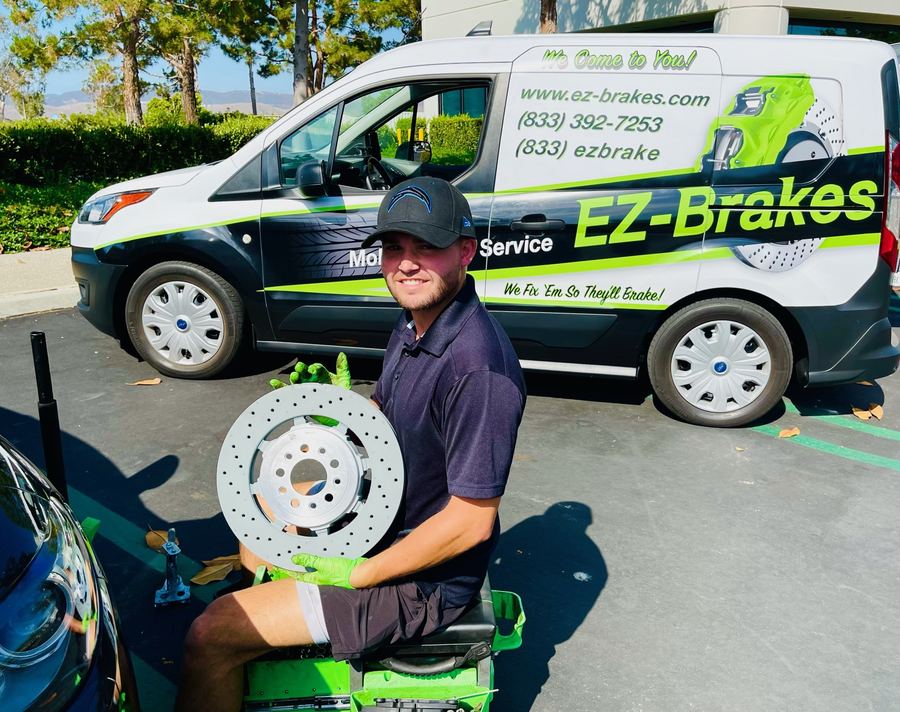
How to Fix Electric Parking Brake Problems
The correct repair depends on the diagnosed cause. Some issues are as simple as low voltage or a damaged connector, while others require actuator, caliper, sensor, or control-system service.
Fixing a Honda Civic Electric Parking Brake Problem
- Check battery condition and voltage: Correct low-voltage problems before condemning the EPB system.
- Scan the relevant modules: Retrieve stored chassis and brake-system fault codes.
- Inspect wiring and connectors: Look for moisture, corrosion, damaged terminals, or loose connections.
- Inspect the actuator and rear brakes: A stuck caliper or failed actuator can prevent normal engagement or release.
Fixing an Electric Parking Brake Problem Acura MDX
- Check for relevant manufacturer service information: Some faults may involve software updates or calibration procedures.
- Test related sensors: Wheel-speed or other chassis-system faults can affect EPB behavior.
- Inspect for moisture or corrosion: Water intrusion can interfere with connectors and actuator components.
- Recalibrate when required: Some vehicles need an electronic service procedure after rear brake work.
General Repair Tips
- Repair damaged wiring, terminals, fuses, or relays only after confirming the fault.
- Use the vehicle-specific service procedure for EPB service mode or emergency release.
- Do not force an actuator or caliper mechanically unless the manufacturer procedure specifically calls for it.
- If the brake is stuck applied, avoid driving the vehicle and overheating the rear brakes.
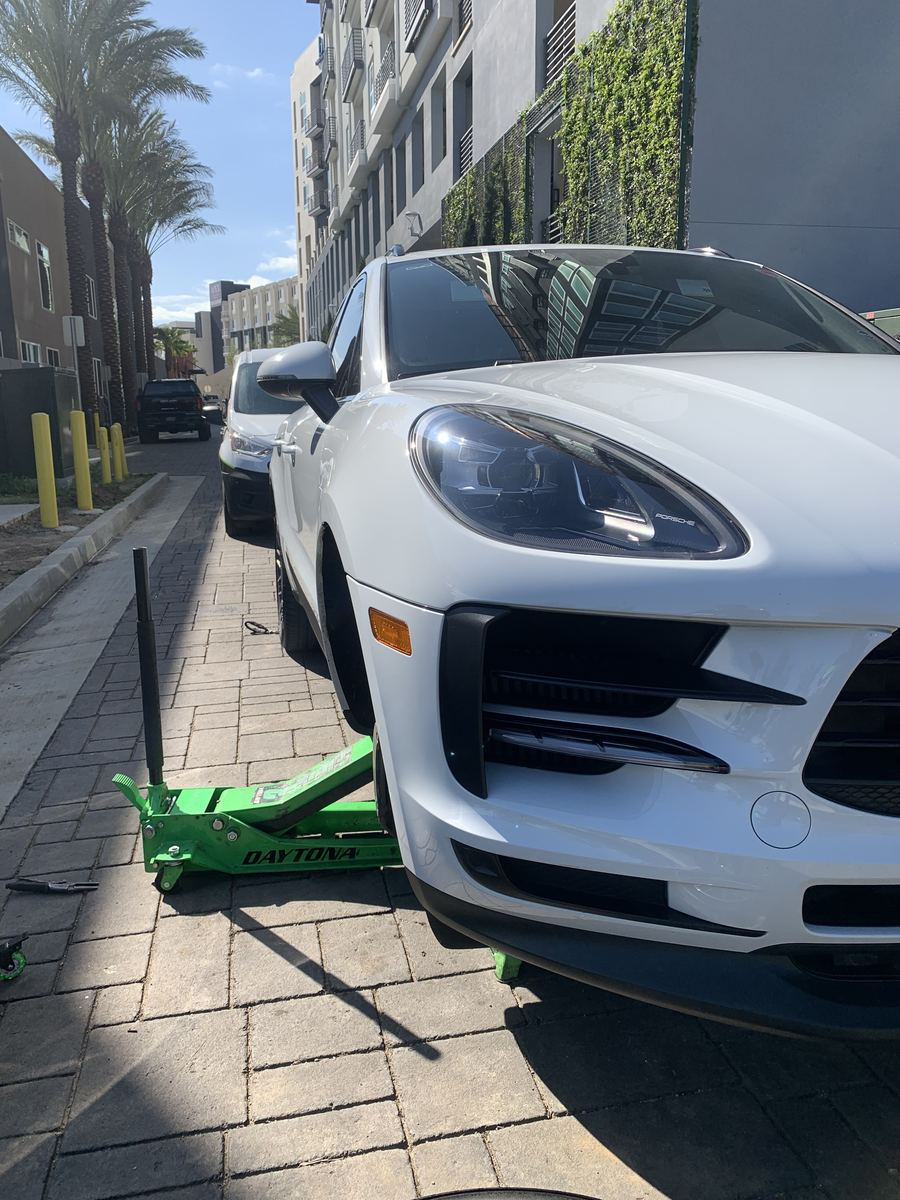
Seeing an EPB warning or dealing with a parking brake that will not engage or release? Get a free quote and tell us exactly what the vehicle is doing.
Get My Free Quote →Preventative Measures
Keep the Battery and Electrical System Healthy
Because the EPB depends on stable voltage, battery and charging-system problems can trigger faults before a mechanical brake component has actually failed.
Do Not Ignore Warning Lights
Intermittent warnings can be useful diagnostic clues. Having the system scanned while the fault is still stored can make the underlying problem easier to identify.
Protect Connectors from Moisture and Corrosion
Water, road salt, and contamination can affect rear-brake wiring and connectors. Inspection is especially important when faults appear after heavy rain, flooding, or underbody damage.
Schedule Routine Brake Inspections
Rear pads, calipers, actuators, wiring, and related brake hardware should be inspected as part of routine brake service, particularly if the EPB begins operating inconsistently.
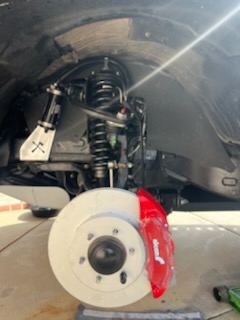
Why Choose EZ-Brakes?
EZ-Brakes brings mobile brake service directly to your driveway or office throughout Orange County. For EPB-related symptoms, the goal is to identify whether the issue is coming from the brake hardware, actuator, electrical system, or another vehicle-control component before recommending a repair.
- Mobile service for your convenience
- Brake-system diagnosis and inspection
- OEM-grade brake parts when replacement is needed
- Professional mobile brake service throughout Orange County
Conclusion on Electric Parking Brake Problems
Electric parking brakes add convenience, but they also depend on a combination of electronics and traditional brake hardware. A Honda Civic or Acura MDX EPB warning can come from low voltage, wiring, software, sensors, an actuator, or a mechanical rear-brake problem.
The safest approach is to diagnose the system before replacing parts. If your parking brake is stuck, showing persistent warnings, or behaving inconsistently, schedule a professional inspection before the problem leads to additional brake damage.