
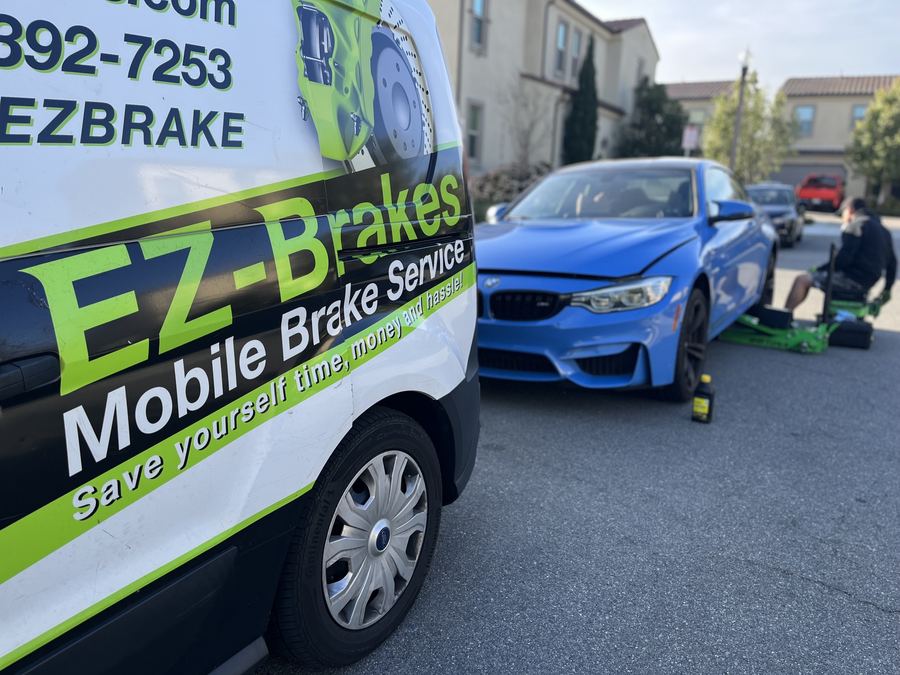
If your emergency brake is stuck, stop on level ground, secure the vehicle, and try the manufacturer-approved release procedure. Do not force the car to move or drive with the brakes dragging. If the brake will not release, warning lights persist, or you notice smoke or a burning smell, arrange professional service where the vehicle is parked.
You turn the key, shift into Drive, press the gas, and your car doesn't want to go. Or it does move, but it feels heavy, a warning light is glowing on the dash, and there's a faint burning smell coming from the back. Nine times out of ten, the culprit is the same: an emergency brake stuck partway or fully on.
An emergency brake stuck in the engaged position is one of the most common calls we get at Ez-Brakes. Since 2018, our family-owned mobile team has been driving to driveways, office parking lots, and roadsides across Orange County to deal with exactly this problem. Our technicians bring over 50 years of combined experience to every job, and in that time we've seen just about every way a parking brake can seize, freeze, or refuse to let go.
This guide walks you through what's actually happening with an emergency brake stuck in place, the safe ways to release it yourself, what never to do, and when it's time to let a certified technician take over. Whether you have a classic hand lever, a foot pedal, or a push-button electronic parking brake, you'll find a clear plan below.
What Is an Emergency Brake (and Why Does It Get Stuck)?
The emergency brake, also called the parking brake, hand brake, or e-brake, is a secondary braking system that holds your vehicle in place. It works independently of the hydraulic service brakes you use with your foot pedal. That separation is intentional: federal rules require the parking brake control to be separate from the service brake control, and the light vehicle brake standard, FMVSS No. 135 (49 CFR 571.135), sets out how parking brake systems must perform, including holding a vehicle on a steep grade.
Most systems fall into one of these designs:
- Center-console hand lever: You pull up to engage and press a button on the tip to release. A steel cable runs from the lever to the rear brakes.
- Foot-operated pedal: A small pedal to the left of the brake pedal. You release it with a pull handle or by pressing the pedal a second time.
- Electronic parking brake (EPB): A button or switch that tells small electric motors at the rear calipers to clamp or release.
- Drum-in-hat systems: Many vehicles with rear disc brakes hide a small drum brake inside the rotor "hat" just for parking.
Because the parking brake is mechanical and often used rarely, it's especially vulnerable to rust, dirt, and wear. When any piece of that chain sticks, the result is a parking brake that won't release.
Emergency Brake vs. Parking Brake: Same System, Different Names
People search for both terms, so it's worth clearing up. "Emergency brake" and "parking brake" describe the same system. The "emergency" name comes from its backup role if your hydraulic brakes ever failed. Today its main job is holding a parked vehicle, which is why most manufacturers now call it the parking brake. An emergency brake stuck on is the same problem whichever name your owner's manual uses.
Signs Your Emergency Brake Is Stuck
Sometimes it's obvious: the lever is down, but the car won't roll. Other times, a partially engaged brake drags quietly for miles. Watch for these symptoms:
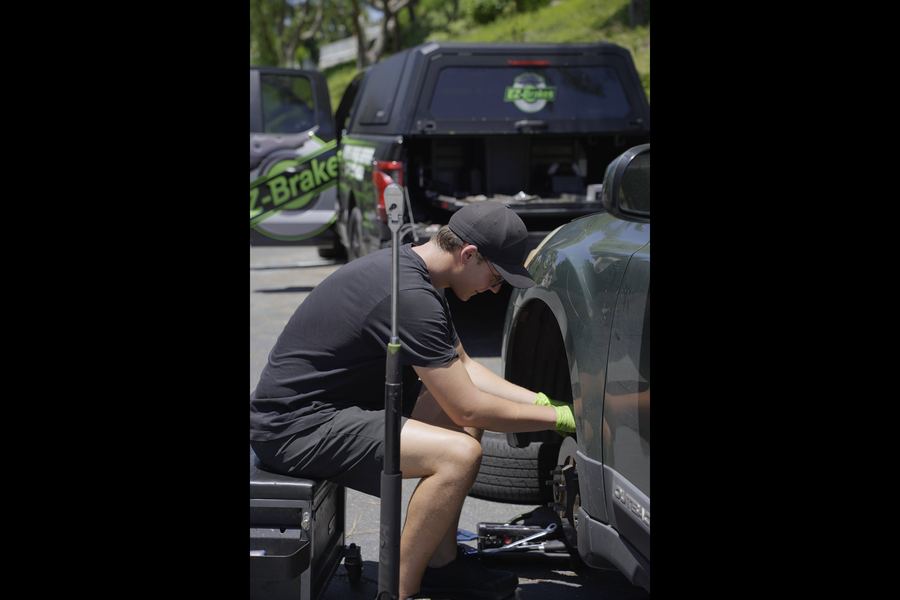
- Brake warning light stays on after you release the lever, pedal, or button.
- The car feels sluggish or needs more throttle than usual to get moving.
- Burning smell near the rear wheels, often described as hot metal or scorched rubber.
- Smoke from a rear wheel after a drive.
- One rear wheel is much hotter than the others (feel carefully near the wheel, not the rotor itself).
- Grinding, squealing, or scraping from the back of the car.
- The lever or pedal feels loose or travels farther than normal, yet the brake stays applied.
- An EPB fault message such as "Parking Brake Malfunction" or "Service Parking Brake."
If you notice smoke or a strong burning smell, stop driving. A dragging parking brake can overheat pads, shoes, rotors, and drums quickly, and on some vehicles it can glaze the friction material or even affect the wheel bearing grease.
Common Causes of a Stuck Emergency Brake
Understanding the cause helps you choose the right fix. Here's what our technicians find most often when they're called out for an emergency brake stuck on a customer's car.
Corroded or Seized Parking Brake Cables
This is the number one cause. The cables run under the car inside protective sheaths. When water gets inside, rust forms, and the cable can no longer slide freely. You release the lever, but the cable stays tight and the rear brakes stay applied. In Orange County, coastal humidity and salty marine air from Huntington Beach to San Clemente speed up this process, especially on vehicles that are parked outside near the water.
Rusted Brake Shoes or Pads
If a car sits for weeks, the brake shoes in a drum or drum-in-hat system can rust to the drum surface. Pads can also bond to rotors after rain or a car wash followed by long parking. The brake is technically released, but the friction surfaces are stuck together.
Frozen Components in Cold Weather
Freezing isn't common at sea level in Southern California, but plenty of our customers head to Big Bear or Mammoth for the weekend. If moisture gets into the cable or drum and temperatures drop below freezing overnight, you can wake up to an emergency brake stuck until it thaws.
Broken Return Springs or a Faulty Lever Mechanism
Return springs pull the shoes away from the drum when you release the brake. If one breaks or weakens, the shoes keep dragging. Inside the cabin, a worn ratchet, a broken release button, or a jammed pedal release can keep tension on the cable even though you think it's off.
Misadjusted Parking Brake
A cable adjusted too tight keeps slight pressure on the rear brakes all the time. This often shows up after a brake job where the parking brake adjustment was skipped or done incorrectly.
Rear Caliper Problems
Many cars use rear calipers with a built-in parking brake mechanism. If the caliper's internal screw mechanism or slide pins corrode, the caliper won't retract fully, and you'll get the same dragging symptoms as a stuck cable.
Electronic Parking Brake Failures
With an EPB, the "cable" is replaced by motors, wiring, sensors, and a control module. A stuck electronic parking brake is often caused by:
- A weak or dead 12-volt battery
- A blown fuse or relay
- A failed caliper motor
- A wiring or connector problem
- A control module or software fault
- Brake work done without putting the system into service mode
How to Release a Stuck Emergency Brake: Step-by-Step
Before you try anything, put safety first. Park on level ground if possible, shift into Park (or into gear for a manual), and place wheel chocks or a heavy object in front of and behind a front wheel. You're about to release the one brake that's holding the car, so make sure the car can't roll.
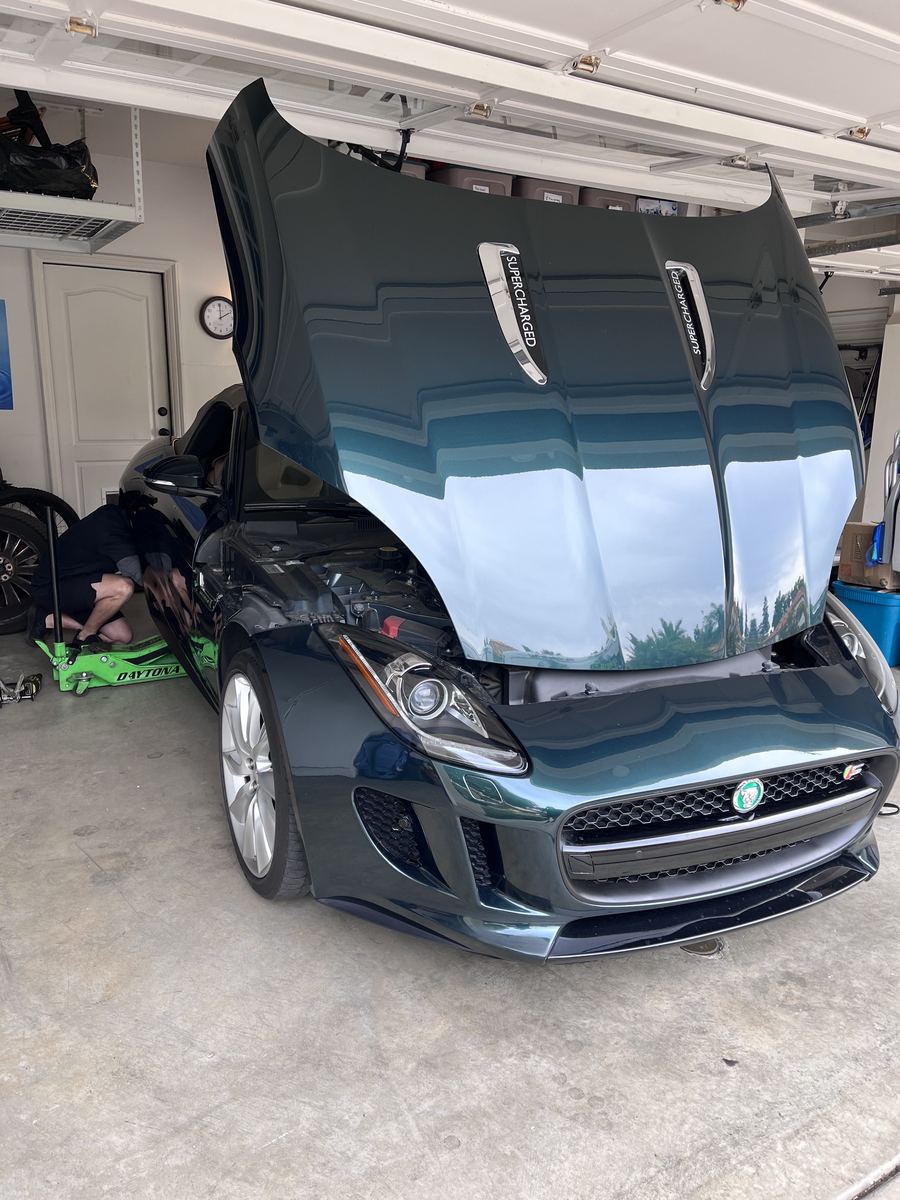
Then work through these steps in order, from easiest to most involved.
Step 1: Try a Full, Firm Release
It sounds simple, but many cases of an emergency brake stuck in place come down to an incomplete release.
- Hand lever: Press the brake pedal firmly with your foot. Pull the lever up slightly to take tension off the ratchet, press and hold the release button, then lower the lever all the way down.
- Foot pedal: Press the service brake pedal, then press the parking brake pedal a bit further and let it come all the way up, or pull the release handle firmly.
- EPB: Start the engine, keep your foot on the brake pedal, and press or pull the parking brake switch as described in your owner's manual. Some vehicles also require the driver's seatbelt to be fastened.
Step 2: Engage and Release Several Times
Apply and release the parking brake five to ten times. Cycling the system can break loose light rust on the cable or shoes and free up a sticky lever mechanism. Listen for a clunk or a pop from the rear of the car; that's often the sound of shoes or cables letting go.
Step 3: Gently Rock the Vehicle
If the brake shoes or pads are lightly stuck to the drum or rotor, a little movement can free them. This is often the fix for an emergency brake stuck after the car has been parked for a while. With the parking brake released and your foot ready on the brake pedal:
- Shift into Drive and apply very light throttle for a second or two.
- Stop, shift into Reverse, and apply very light throttle again.
- Repeat a few times.
The key word is gentle. Do not floor the accelerator. Aggressive rocking can damage the transmission, axles, or brake hardware, and a sudden release can lurch the car forward. If the car doesn't break free after a few gentle tries, move on.
Step 4: Inspect and Lubricate the Parking Brake Cable
When the first three steps fail, an emergency brake stuck because of a seized cable is the likely cause. If you're comfortable and have the right equipment, look at the cable where it's visible under the car. Only do this if the vehicle is properly supported on jack stands or ramps; never work under a car held up by a jack alone.
- Look for rust, kinks, frayed strands, or a cable that's popped out of its bracket.
- Spray penetrating oil where the cable enters its sheath and at the equalizer (the bracket where cables split to each wheel).
- Have a helper cycle the lever while you watch whether the cable moves.
- Gently pull the cable back toward the release position by hand if it's stuck.
Keep lubricant away from brake pads, shoes, rotors, and drums. Oil on friction surfaces ruins braking performance and means those parts need replacement.
Step 5: Tap the Brake Drum or Rotor
On vehicles with rear drums or drum-in-hat parking brakes, an emergency brake stuck because of rust is very common. Shoes rusted to the drum can sometimes be freed with light vibration. With the wheel accessible, tap around the drum or rotor hat with a rubber mallet. Use moderate taps, not heavy blows. You're trying to break a rust bond, not damage the part.
Step 6: Deal With a Frozen Emergency Brake
If you suspect ice after a cold-weather trip, the safest fix is time and warmth. Let the engine idle so heat can build, or move the car into a heated garage if possible. Avoid pouring boiling water on brake parts; sudden temperature changes can damage components, and the water can refreeze. Never use an open flame or torch near brake lines or fuel lines.
Step 7: Troubleshoot an Electronic Parking Brake
If you're dealing with an electronic parking brake stuck in the applied position:
- Check the battery. Low voltage is the most common reason an EPB won't release. If the car is slow to crank or other electronics act strangely, try a jump start or battery charger, then try releasing again.
- Check the fuse. Your owner's manual lists the EPB fuse location. A blown fuse means no power to the motors.
- Look up the emergency release procedure. Some vehicles have a manual or emergency release method described in the owner's manual. Follow it exactly.
- Don't force it. Prying calipers or disconnecting motors without the correct procedure can damage the system and may require a scan tool to recalibrate.
Most EPB repairs need a scan tool that can communicate with the brake module, put the system into service mode, read fault codes, and recalibrate after repair. That's where a professional comes in.
What NOT to Do When Your Emergency Brake Is Stuck
A stuck brake is frustrating, and when you're late for work, it's tempting to just drive through it. Here's what to avoid:
- Don't drive with the brake dragging. Even a short trip can overheat and warp rotors, glaze pads, and wear out shoes.
- Don't floor the gas to "break it loose." You risk transmission, CV axle, and drivetrain damage.
- Don't cut the parking brake cable. It's a required safety system, and cutting it leaves you with no backup brake.
- Don't spray lubricant on friction surfaces. Contaminated pads and shoes must be replaced.
- Don't work under a car supported only by a jack.
- Don't ignore a warning light that stays on after you release the brake.
When to Call a Professional Mobile Brake Technician
You've tried the safe steps above, and your emergency brake is stuck anyway. It's time to call in help if:
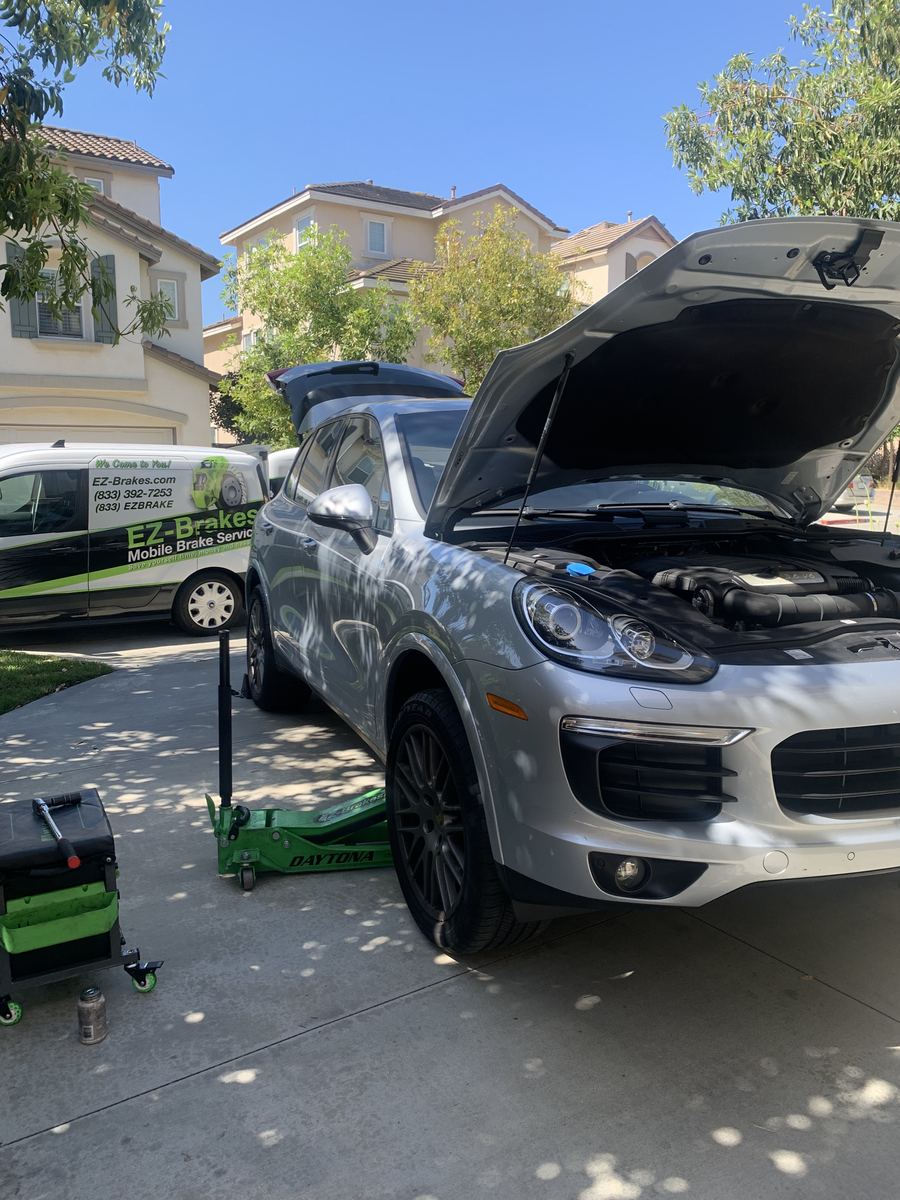
- The brake won't release after several careful attempts
- You see smoke or smell burning from a wheel
- The cable is visibly broken, frayed, or disconnected
- The lever or pedal moves freely but nothing happens
- Your dashboard shows an EPB fault message or brake system warning
- You've recently had brake work done and the problem started afterward
Here's the catch with a stuck parking brake: the car often can't be safely driven to a shop. That usually means paying for a tow, waiting, and losing most of your day. This is exactly why Ez-Brakes works the way it does. Our ASE-trained technicians come to your driveway, office, or roadside location anywhere in Orange County, diagnose the problem on the spot, and in most cases complete the repair the same day you call.
What a Professional Parking Brake Repair Includes
When an Ez-Brakes technician arrives to handle an emergency brake stuck in place, the job typically includes:
- Diagnosis: Identifying whether the issue is the cable, shoes, caliper, lever, adjustment, or electronic system.
- Safe release: Freeing the brake using the correct method for your vehicle.
- Inspection: Checking pads, shoes, rotors, drums, hardware, and springs for heat damage or wear.
- Repair or replacement: Replacing seized cables, broken springs, worn shoes, or faulty calipers as needed.
- Adjustment and testing: Setting proper parking brake tension and confirming it holds the vehicle without dragging.
- EPB service: Reading fault codes, using service mode, and recalibrating electronic systems after repair.
Every job runs on our Green Glove Guarantee: clean hands, clean tools, and no grease left behind. You'll get an accurate, upfront estimate within 24 hours, no mystery line items, and a 100% satisfaction guarantee in writing.
Is It Safe to Drive With an Emergency Brake Stuck?
Short answer: no. Driving with your emergency brake stuck, even partially, creates friction and heat at the rear wheels. That heat can:
- Warp or crack rotors and drums
- Glaze or destroy brake pads and shoes
- Boil brake fluid near the caliper, reducing braking performance
- Damage wheel bearings and seals
- Hurt fuel economy and strain the drivetrain
Worst of all, overheated rear brakes can fade, which means your car may not stop as well when you need it to. If you find your emergency brake stuck, the safest move is to stop, try the safe release steps, and get help if they don't work.
How to Prevent Your Parking Brake From Sticking
A little prevention goes a long way. These habits help keep your parking brake working smoothly, so you never wake up to an emergency brake stuck in the driveway:
- Use it regularly. It sounds backward, but parking brakes that are rarely used are more likely to seize. Regular use keeps cables and mechanisms moving.
- Get annual brake inspections. The nonprofit Car Care Council recommends having your brake system inspected every year, and a good inspection includes the parking brake.
- Ask for a parking brake adjustment during brake jobs. Proper adjustment prevents both dragging and weak holding power.
- Check for open recalls. Parking brake components have been the subject of manufacturer safety recalls. Enter your VIN in NHTSA's free recall lookup tool to see if your vehicle has an unrepaired recall.
- Avoid long-term parking after a soaking. If your car will sit for weeks after rain or a wash, consider a short drive first so the brakes dry out.
- Plan for cold-weather trips. If you're parking overnight in freezing temperatures, follow your owner's manual guidance on parking brake use in icy conditions.
- Keep your battery healthy. For EPB vehicles, a strong 12-volt battery prevents many release problems.
Why Orange County Drivers Trust Ez-Brakes
Getting your brakes fixed shouldn't mean a lost day in a waiting room. Ez-Brakes started in Irvine in 2018 on a simple idea: bring skilled technicians to the driver. Today we cover the full county, from Huntington Beach to San Clemente, with the same family-owned, locally operated approach.
When your emergency brake is stuck, here's what you can expect:
- Certified mechanics: ASE-trained technicians with decades of hands-on experience
- Same-day service: Most jobs completed the day you call
- Emergency support: Stuck roadside during business hours? We'll dispatch a tech fast
- Free 24-hour quotes: Know your costs up front
- 100% satisfaction guarantee: Not happy? We'll make it right, in writing
Whether it's a quick release or a full cable replacement for an emergency brake stuck on a commuter car, customers recognize the difference, which is why Ez-Brakes has earned strong reviews on Yelp and CARFAX. If you have an emergency brake stuck right now, call us at (833) 392-7253 or visit ez-brakes.com to request service.