
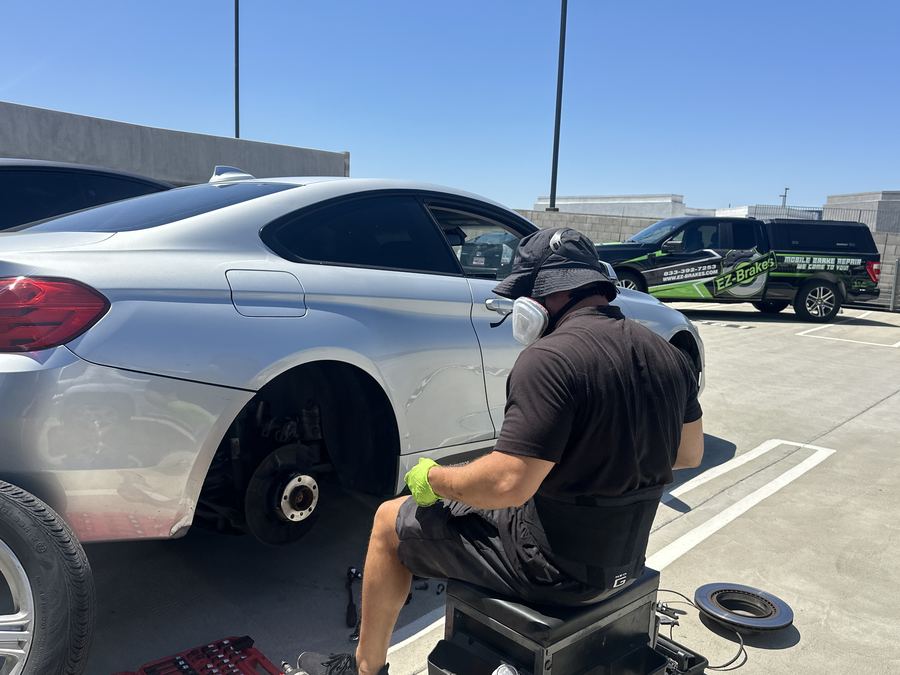
Brake lock-up can happen because a caliper or parking-brake mechanism is stuck, hydraulic pressure is not releasing, brake fluid or hoses are causing pressure problems, brake hardware is damaged, or the ABS system is not working correctly. If a wheel locks while driving, stop safely and have the braking system inspected before continuing.
When brakes lock up while driving—or remain locked after the vehicle has been parked—the issue should be taken seriously. A locked wheel can reduce steering control, create extreme heat, damage brake components, and increase the risk of a skid.
This guide covers five common causes of brake lock-up, the symptoms that can point toward each one, and the kind of repair usually required.
What Causes Brakes to Lock Up?
Brake lock-up means one or more wheels stop rotating when they should still be rolling. During hard braking, this can happen when tire grip is exceeded. But if a wheel stays locked or drags after you release the brake pedal, there may be a mechanical, hydraulic, or electronic fault in the braking system.
1. Worn Brake Pads and Brake Hardware
Severely worn brake pads can contribute to uneven braking and excessive heat. If friction material wears completely away, metal-to-metal contact can damage the rotor and create unpredictable braking behavior.
How to Fix Worn Brake Pads
Inspect pad thickness, rotor condition, caliper movement, and related hardware. Worn pads should be replaced before they reach the backing plate, and damaged rotors or seized hardware should be addressed at the same time.
2. Incorrect, Contaminated, or Low Brake Fluid
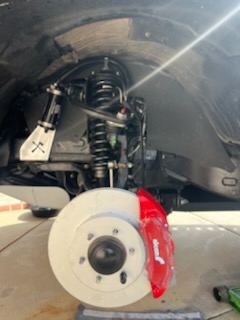
Brake fluid transfers pressure from the pedal to the calipers or wheel cylinders. Low fluid can indicate a leak or severe pad wear, while contaminated or incorrect fluid can affect hydraulic performance.
In some cases, a damaged master cylinder, restricted hose, or contaminated fluid can prevent hydraulic pressure from releasing normally, leaving a brake dragging or locked after the pedal is released.
How to Fix Brake Fluid Issues
Check the fluid level and condition, inspect for leaks, verify the correct fluid specification, and test whether hydraulic pressure is releasing at the affected wheel. A brake-fluid flush may be appropriate if the fluid is contaminated, but the underlying cause should be identified first.
3. Faulty Brake Calipers or Wheel-Speed Sensors
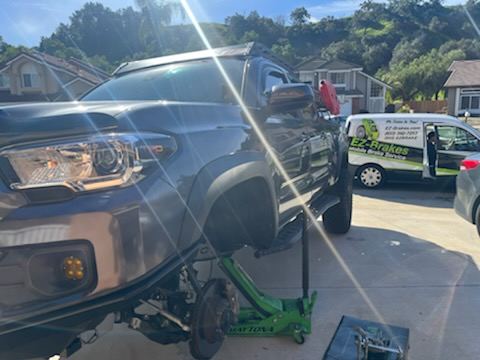
A seized caliper is a common mechanical cause of a wheel that remains applied after braking. Corrosion, damaged seals, stuck slide pins, or a piston that does not retract can create constant pad pressure against the rotor.
On ABS-equipped vehicles, wheel-speed sensors provide the information the system uses to detect impending wheel lock. A sensor or wiring fault can disable ABS assistance or create warning lights, although the exact symptoms depend on the vehicle.
How to Fix Caliper and Sensor Issues
Inspect the caliper for smooth piston and slide movement, check brake hoses for internal restriction, and scan the ABS module for stored faults. Damaged calipers, hoses, sensors, or wiring should be repaired based on the diagnosis rather than replaced by guesswork.
4. Drum-Brake and Parking-Brake Problems
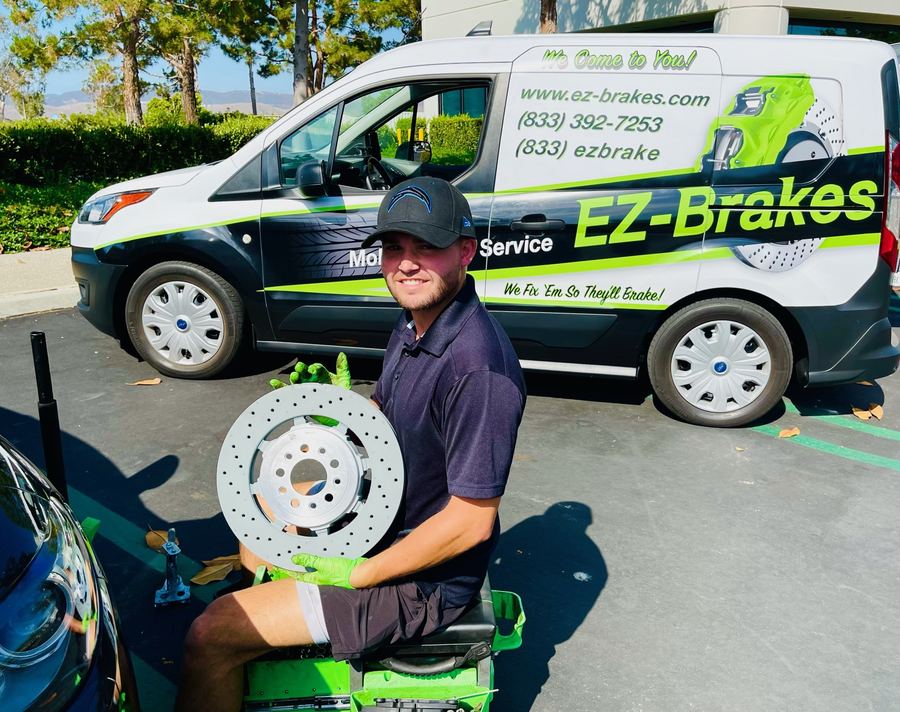
Drum brakes contain springs, shoes, adjusters, and other hardware that can seize, break, or become misadjusted. Parking-brake cables can also corrode or stick, leaving the rear brake partially or fully applied after the parking brake is released.
How to Fix Drum-Brake Lock-Up
The drum assembly should be inspected for broken springs, seized adjusters, damaged shoes, contamination, and parking-brake cable movement. Any damaged hardware should be replaced and the system adjusted to the vehicle specification.
5. ABS Failure
The anti-lock braking system is designed to reduce wheel lock during hard braking by rapidly controlling brake pressure. If the ABS has a sensor, wiring, module, or hydraulic-control fault, the system may not provide normal anti-lock assistance.
You may notice ABS warning lights or wheel lock more easily on rain-soaked pavement, wet leaves, gravel, or other low-traction surfaces.
How to Fix ABS Problems
Scan the ABS module for fault codes, inspect wheel-speed sensors and wiring, and diagnose the hydraulic-control unit if required. Because ABS faults are vehicle-specific, the stored code and service information should guide the repair.
Brake dragging, wheel locked, or car pulling when you stop? Get a free quote and tell us exactly what the vehicle is doing.
Get My Free Quote →How to Prevent Brake Lock-Up
- Check brake fluid: Use the correct fluid and investigate low fluid instead of simply topping it off repeatedly.
- Replace worn pads on time: Do not wait for the friction material to wear completely away.
- Schedule brake inspections: Catch seized calipers, damaged hoses, parking-brake problems, and worn hardware before they become severe.
- Pay attention to pedal feel: A soft, spongy, unusually hard, or slow-returning pedal is worth inspecting.
- Do not ignore overheating: A burning smell or wheel that becomes unusually hot can indicate a dragging brake.
- Keep ABS faults repaired: An illuminated ABS warning means the anti-lock system may not operate normally when needed.
Free Brake Inspections at Your Location
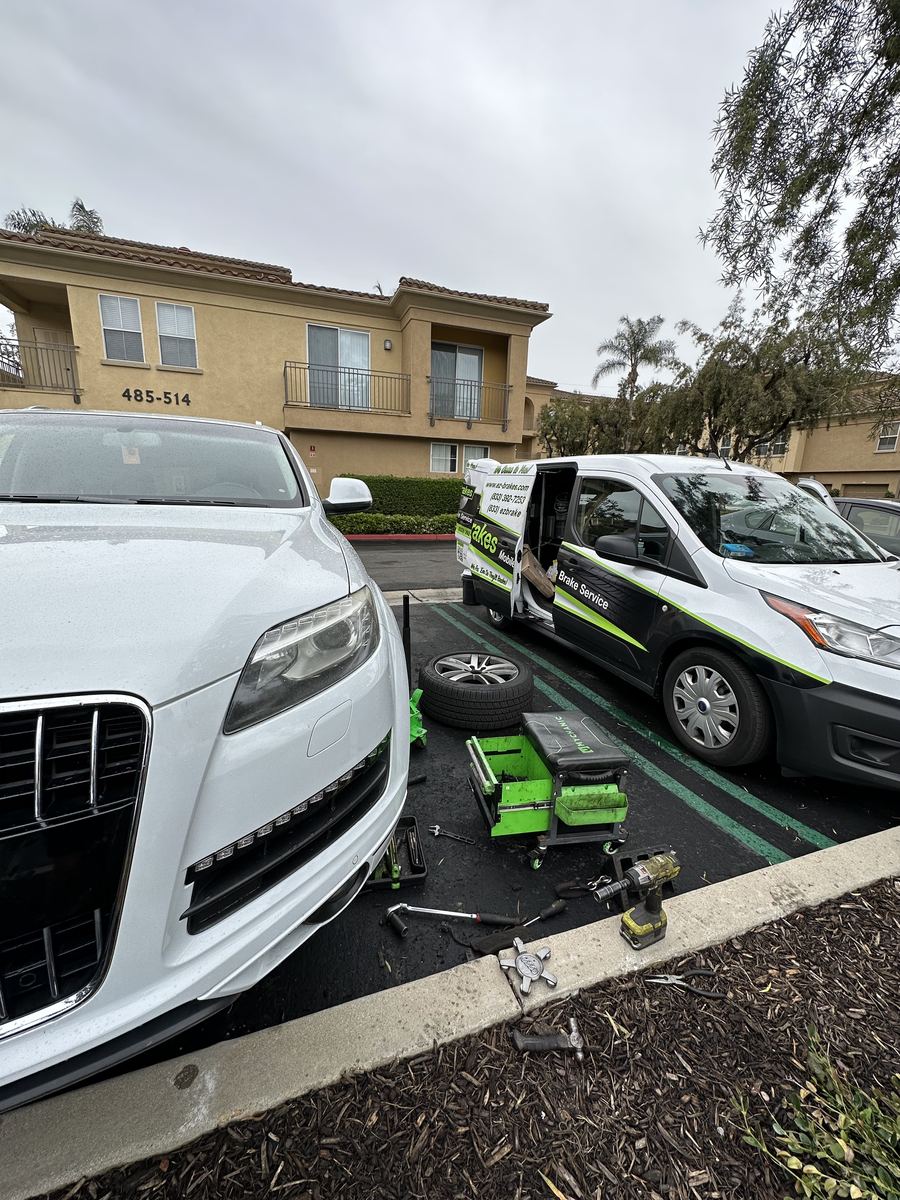
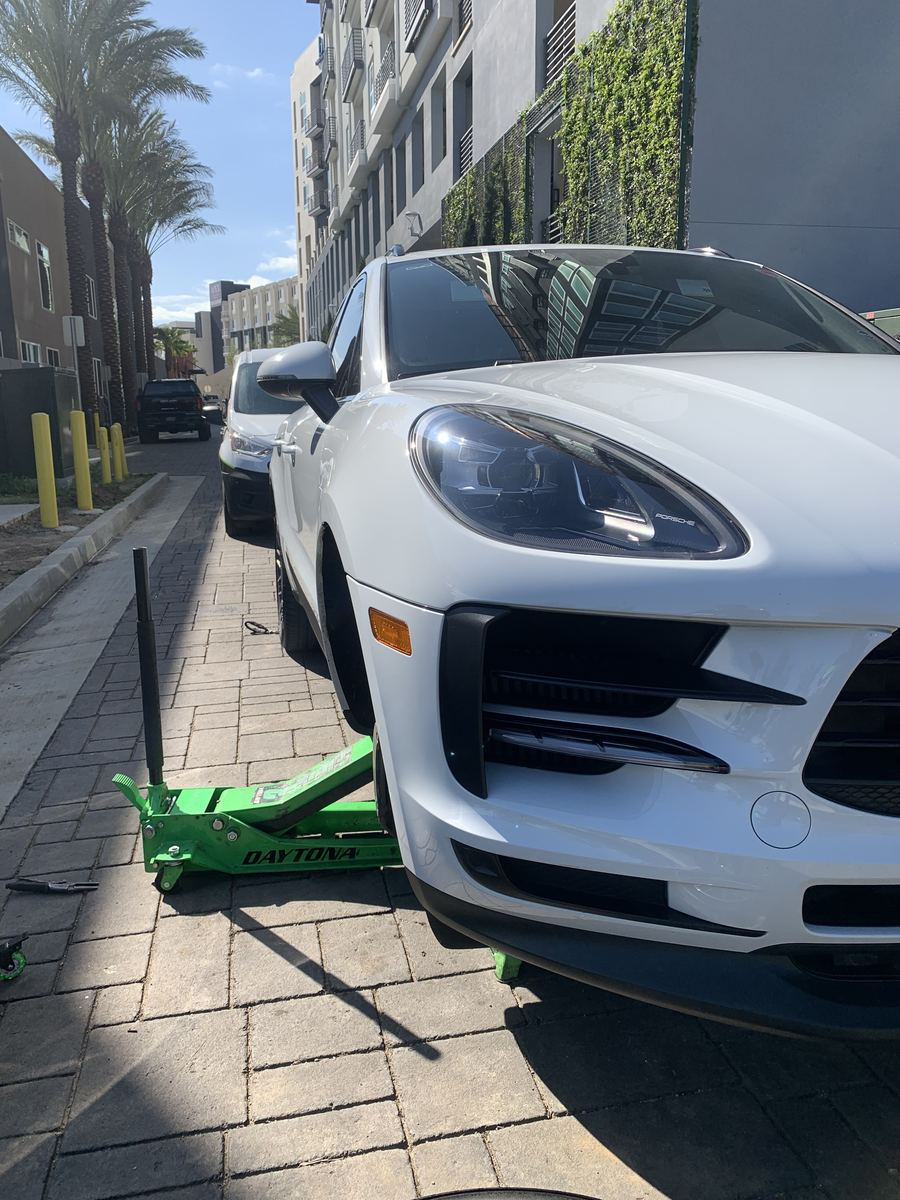
EZ-Brakes provides mobile brake service throughout Orange County. If a wheel is dragging, locking, overheating, or behaving unpredictably, our technicians can inspect the pads, rotors, calipers, brake fluid, and related hardware at your location and explain the repair options.
Conclusion
Brake lock-up can come from several different problems, including seized calipers, hydraulic faults, parking-brake or drum-brake issues, worn components, and ABS faults. Because several of these conditions can feel similar from the driver’s seat, diagnosis is important before replacing parts.
If your brakes lock while driving, remain stuck after parking, or repeatedly overheat, stop using the vehicle until the system can be inspected safely.